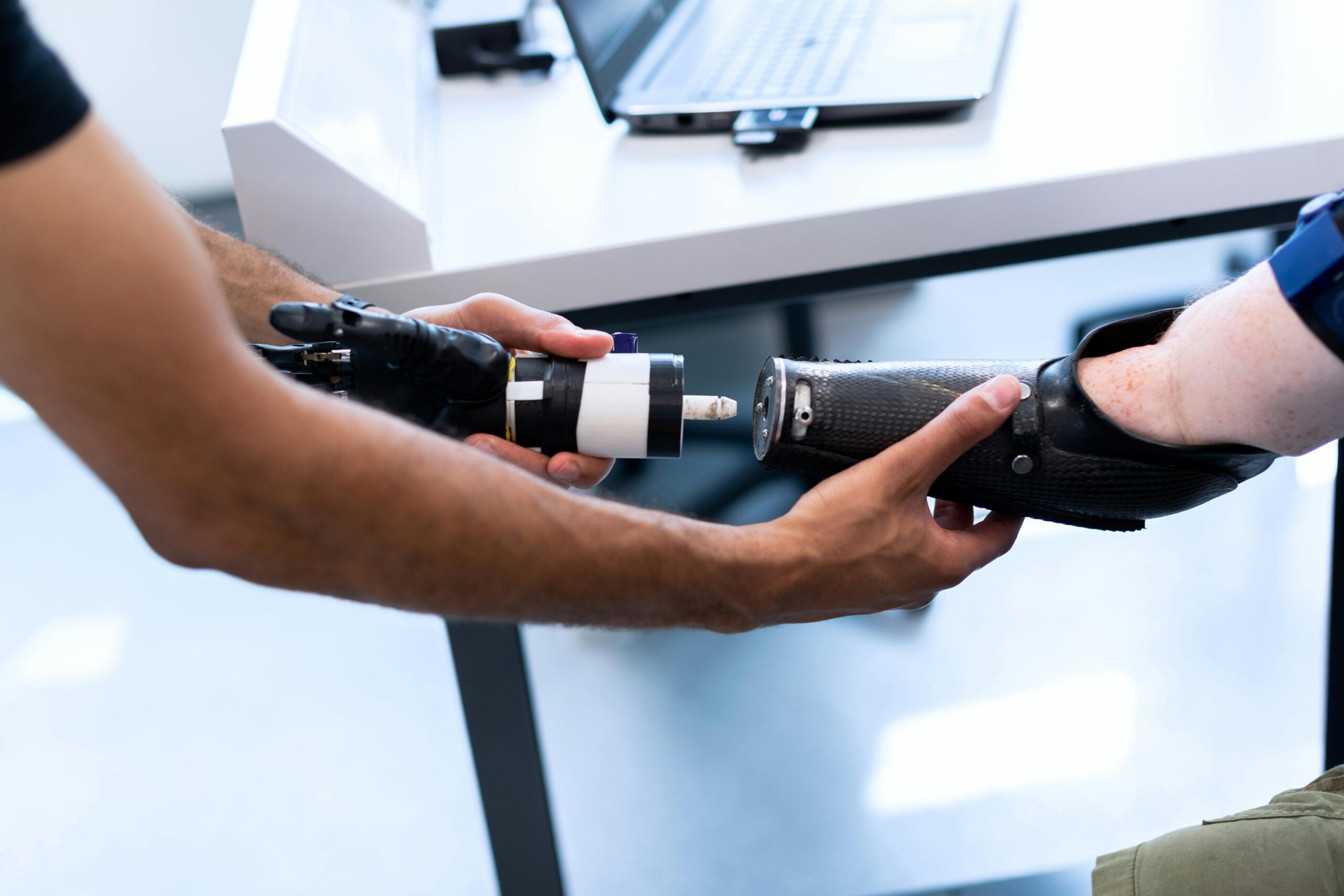
The global energy landscape is transforming through unprecedented collaboration, where nations exchange expertise and innovative solutions to build a sustainable future for all.

🌍 Breaking Down Barriers Through Energy Collaboration
In an era marked by climate challenges and rising energy demands, international cooperation has become more than just diplomatic courtesy—it’s an essential survival strategy. The exchange of energy knowledge across cultures represents one of humanity’s most critical endeavors, bridging technological gaps, economic disparities, and geographical boundaries. Nations that once competed for resources now recognize that sustainable energy solutions require collective wisdom, shared research, and mutual support.
The concept of global energy exchange encompasses far more than simple trade agreements or technology transfers. It involves a comprehensive framework where countries share research findings, best practices, policy frameworks, educational programs, and innovative approaches to energy production, distribution, and consumption. This collaborative approach acknowledges that energy challenges are inherently global, and solutions developed in one region can be adapted and applied elsewhere with remarkable effectiveness.
Cultural diversity enriches this exchange, bringing unique perspectives shaped by different environmental conditions, economic structures, and social values. A solar innovation perfected in sun-drenched regions can revolutionize energy access in similar climates worldwide. Wind technology developed in coastal nations can transform energy generation for island communities. Geothermal expertise from volcanic regions provides blueprints for others sitting on untapped underground resources.
🔋 The Foundation of International Energy Partnerships
Successful global energy exchange rests on several fundamental pillars. First, mutual respect and recognition that every culture and nation brings valuable insights to the table. Developed nations possess advanced technologies and substantial research budgets, while developing countries often demonstrate remarkable innovation in resource-constrained environments, creating solutions that are cost-effective, scalable, and adaptable.
Second, transparent communication channels enable the free flow of information without proprietary restrictions that might hinder progress. Many countries have established open-source energy databases, allowing researchers worldwide to access data on renewable energy performance, grid management strategies, and efficiency improvements. This democratization of knowledge accelerates innovation by preventing redundant research and enabling scientists to build upon existing discoveries.
Third, institutional frameworks provide structure for these exchanges. International organizations like the International Renewable Energy Agency (IRENA), the International Energy Agency (IEA), and various United Nations bodies facilitate dialogue, standardize data collection, and coordinate multinational projects. These institutions serve as neutral platforms where countries can collaborate without political tensions overshadowing technical cooperation.
Building Trust Through Transparency
Trust forms the bedrock of meaningful knowledge exchange. Countries must feel confident that sharing their innovations won’t result in exploitation or competitive disadvantage. International agreements protecting intellectual property while ensuring technology access for development purposes strike this delicate balance. The Paris Agreement’s technology mechanism exemplifies this approach, encouraging technology transfer to support global climate goals while respecting innovation rights.
Transparency extends beyond legal frameworks to encompass honest reporting of successes and failures. When nations openly discuss projects that didn’t meet expectations, they provide invaluable learning opportunities for others. Germany’s Energiewende (energy transition) has been extensively documented, including both achievements and setbacks, offering a comprehensive case study for countries embarking on similar transformations.
⚡ Regional Energy Hubs: Centers of Excellence
Certain regions have emerged as specialized knowledge centers, developing expertise in specific energy domains. Scandinavia leads in wind energy and smart grid integration, with Denmark generating over 40% of its electricity from wind. These countries actively share their regulatory frameworks, technical specifications, and implementation strategies with nations beginning their wind energy journeys.
The Middle East, traditionally associated with fossil fuels, has become an unexpected renewable energy powerhouse. The United Arab Emirates has invested heavily in solar technology, hosting the International Renewable Energy Agency headquarters and developing some of the world’s largest and most cost-effective solar installations. Their experience demonstrates how oil-rich nations can diversify their energy portfolios and share this transition expertise with similar economies.
Latin America excels in hydroelectric power and bioenergy, with Brazil pioneering ethanol production from sugarcane decades ago. This expertise has been transferred to African nations with similar agricultural profiles, creating new economic opportunities while reducing fossil fuel dependence. Regional cooperation networks like the Latin American Energy Organization facilitate this knowledge sharing within and beyond the continent.
Africa’s Leapfrog Potential
Africa presents a unique opportunity for energy knowledge exchange, as many nations can bypass outdated infrastructure and adopt cutting-edge renewable technologies directly. Off-grid solar solutions, developed through international collaboration, now provide electricity to millions previously without access. Mobile payment systems for solar subscriptions, pioneered in East Africa, demonstrate how financial innovation combines with energy technology to create accessible solutions.
Knowledge flows both ways in African partnerships. While international organizations provide technical and financial support, African innovators contribute practical insights about implementation in challenging environments, community engagement strategies, and culturally appropriate technology adaptation. These lessons prove invaluable for energy access projects in other developing regions.
🎓 Education as the Engine of Energy Knowledge Transfer
Academic institutions play a crucial role in global energy exchange through student exchange programs, joint research initiatives, and collaborative degree programs. Universities in different countries partner to create specialized energy programs, allowing students to learn from diverse faculty expertise and gain international perspectives on energy challenges.
Scholarship programs specifically targeting energy studies enable talented students from developing nations to access advanced training, then return home equipped to implement and adapt what they’ve learned. This human capital development creates lasting networks of professionals who continue collaborating throughout their careers, maintaining channels for ongoing knowledge exchange.
Online learning platforms have democratized energy education further. Massive Open Online Courses (MOOCs) from leading institutions reach thousands globally, covering topics from solar panel installation to energy policy design. These platforms often incorporate case studies from multiple countries, exposing learners to diverse approaches and encouraging cross-cultural understanding of energy solutions.
Training the Next Generation of Energy Leaders
Professional development programs complement formal education, offering mid-career training for energy sector professionals. International workshops bring together utility managers, policymakers, and engineers to share operational experiences, troubleshoot common challenges, and explore emerging technologies. These practical exchanges often yield immediately applicable insights that participants implement upon returning to their organizations.
Mentorship programs pair experienced professionals from countries with mature renewable energy sectors with counterparts in nations beginning their transitions. These relationships provide ongoing support, troubleshooting assistance, and encouragement beyond what formal training programs can offer. The personal connections formed through mentorship strengthen international energy communities.
💡 Technology Transfer: From Innovation to Implementation
Moving technologies from development to widespread deployment across different cultural and economic contexts presents significant challenges. Successful technology transfer requires more than shipping equipment—it demands comprehensive support including training, maintenance infrastructure, supply chain development, and adaptation to local conditions.
Joint ventures between companies from different countries facilitate technology transfer while building local capacity. When international renewable energy companies partner with domestic firms, they transfer technical knowledge, business practices, and quality standards. These partnerships create employment, develop local expertise, and ensure long-term sustainability of installed technologies.
Open-source hardware movements in the energy sector exemplify collaborative innovation. Projects sharing designs for solar concentrators, wind turbine components, and energy storage solutions enable local manufacturing in resource-constrained environments. This approach reduces costs, builds technical capacity, and adapts technologies to local materials and conditions.
Adapting Technologies to Cultural Contexts
Effective technology transfer recognizes that one-size-fits-all approaches rarely succeed. Technologies must be adapted to local climate conditions, available resources, skill levels, and cultural practices. Cookstove projects in developing nations learned this lesson through trial and error—efficient stoves failed when designs didn’t accommodate traditional cooking methods or cultural preferences.
Participatory design processes involve local communities in technology adaptation, ensuring solutions meet actual needs and integrate smoothly into existing practices. This approach respects local knowledge while introducing new technologies, creating hybrid solutions that combine traditional wisdom with modern innovation.
🌐 Digital Platforms Enabling Real-Time Energy Collaboration
Digital technology has revolutionized how energy knowledge is shared globally. Real-time data sharing platforms allow utilities worldwide to monitor each other’s grid performance, renewable energy integration strategies, and demand response programs. When one utility faces an unusual challenge, others can offer immediate advice based on similar experiences.
Virtual conferences and webinars have made international energy exchange more accessible and frequent. Rather than requiring expensive travel for in-person meetings, experts can now present findings, demonstrate technologies, and answer questions for global audiences from their offices. This accessibility increases participation from smaller organizations and developing countries.
Social media networks dedicated to energy professionals create informal exchange channels where questions receive rapid responses from experienced practitioners worldwide. These communities complement formal institutions, offering peer-to-peer support and grassroots knowledge sharing that supplements official programs.
📊 Measuring Impact: Success Stories from Global Collaboration
Quantifying the impact of global energy knowledge exchange demonstrates its value and identifies areas for improvement. Several metrics capture this impact: increases in renewable energy capacity, improvements in energy access rates, reductions in carbon emissions, cost decreases for clean technologies, and growth in domestic energy industries.
Morocco’s Noor Ouarzazate Solar Complex showcases successful international collaboration. Built with expertise from multiple countries and funding from international development banks, it represents Africa’s largest concentrated solar power plant. The project incorporated technology from Spain, Germany, and Saudi Arabia, while building Moroccan technical capacity through extensive training programs. Morocco now shares its experience with other African nations developing similar projects.
India’s solar revolution demonstrates how policy frameworks shared internationally can catalyze transformation. Learning from feed-in tariff successes in Germany and competitive bidding approaches from South America, India developed hybrid policies that drove solar costs down dramatically. India now contributes to global knowledge by co-founding the International Solar Alliance, facilitating technology and policy exchange among solar-rich nations.
Small Island Nations Leading Innovation
Small island developing states face acute energy challenges—high fossil fuel costs, vulnerability to supply disruptions, and climate change threats. Through international partnerships, many islands are becoming renewable energy laboratories, testing innovative solutions at scales that allow rapid implementation and assessment.
The Caribbean island of Barbados aims for 100% renewable energy, combining solar, wind, and energy storage technologies with international support. Their experiences provide valuable insights for other islands and isolated communities worldwide. Regional organizations like the Caribbean Community (CARICOM) facilitate knowledge sharing among islands facing similar challenges.
🚀 Emerging Frontiers in Energy Knowledge Exchange
Looking forward, several emerging areas will shape future global energy collaboration. Hydrogen technology development requires international coordination on standards, safety protocols, and infrastructure. Countries leading hydrogen innovation—Japan, Germany, Australia, Chile—are establishing partnerships to develop supply chains and share technical expertise.
Energy storage breakthroughs are being accelerated through international research consortia. Battery technology, compressed air storage, thermal storage, and other solutions benefit from coordinated research that pools resources and shares findings. As renewable energy expands, effective storage becomes increasingly critical, making this collaboration essential.
Artificial intelligence and machine learning applications in energy systems represent another frontier for knowledge exchange. Algorithms optimizing grid management, predicting energy demand, and improving renewable forecasting are being developed collaboratively and shared across borders. Open-source AI tools specifically for energy applications enable smaller utilities to benefit from advanced technologies.
Climate Adaptation and Energy Resilience
As climate change intensifies, energy infrastructure must become more resilient. Coastal nations are sharing strategies for protecting facilities from sea-level rise and storm surge. Countries experiencing extreme heat are exchanging cooling technologies and grid management approaches for peak demand periods. This climate-focused knowledge exchange will become increasingly vital.
🤝 Overcoming Barriers to Effective Knowledge Sharing
Despite remarkable progress, barriers still hinder optimal global energy exchange. Language differences can impede communication, though translation technologies are improving accessibility. Technical jargon and differing standards create confusion, emphasizing the importance of standardization efforts and clear communication protocols.
Political tensions sometimes obstruct collaboration between nations that could mutually benefit from exchange. International organizations play crucial roles maintaining neutral spaces for technical cooperation even when diplomatic relations are strained. Focusing on shared challenges like climate change helps transcend political divisions.
Intellectual property concerns balance innovation incentives against technology access needs. Flexible licensing arrangements, technology pools, and public-private partnerships are being developed to navigate this tension, ensuring inventors are rewarded while enabling widespread adoption of crucial technologies.
🌟 The Human Element: Stories Behind the Statistics
Beyond policies and technologies, global energy exchange succeeds because of dedicated individuals building bridges between cultures. Engineers spending months abroad training local counterparts, researchers collaborating across time zones, policymakers visiting other countries to understand different approaches—these human connections drive meaningful exchange.
Women in energy programs specifically connect female professionals globally, addressing gender disparities in the sector while fostering international collaboration. These networks provide mentorship, visibility for women’s contributions, and platforms for sharing perspectives often underrepresented in energy discussions.
Youth engagement programs prepare the next generation for global energy careers through international competitions, exchange programs, and collaborative projects. Young professionals increasingly view energy challenges as global issues requiring international cooperation, bringing fresh perspectives to established exchange mechanisms.

🔮 Lighting the Path Forward Together
The future of global energy depends on continued and enhanced knowledge exchange across cultures. As renewable technologies mature, attention must shift toward integration challenges, storage solutions, and equitable access. These complex issues benefit immensely from diverse perspectives and shared problem-solving.
Building on existing frameworks while exploring innovative exchange mechanisms will accelerate progress. Virtual reality could enable immersive facility tours without travel. Artificial intelligence might match questions with global experts instantaneously. Blockchain could create transparent, decentralized platforms for sharing research and data.
Most importantly, maintaining commitment to collaboration despite challenges ensures humanity tackles energy transformation collectively. The brightest future emerges not from isolated brilliance but from shared wisdom, mutual respect, and recognition that our energy destinies are fundamentally interconnected. Every culture brings unique insights to this grand challenge, and together, we illuminate pathways toward sustainable prosperity for all.