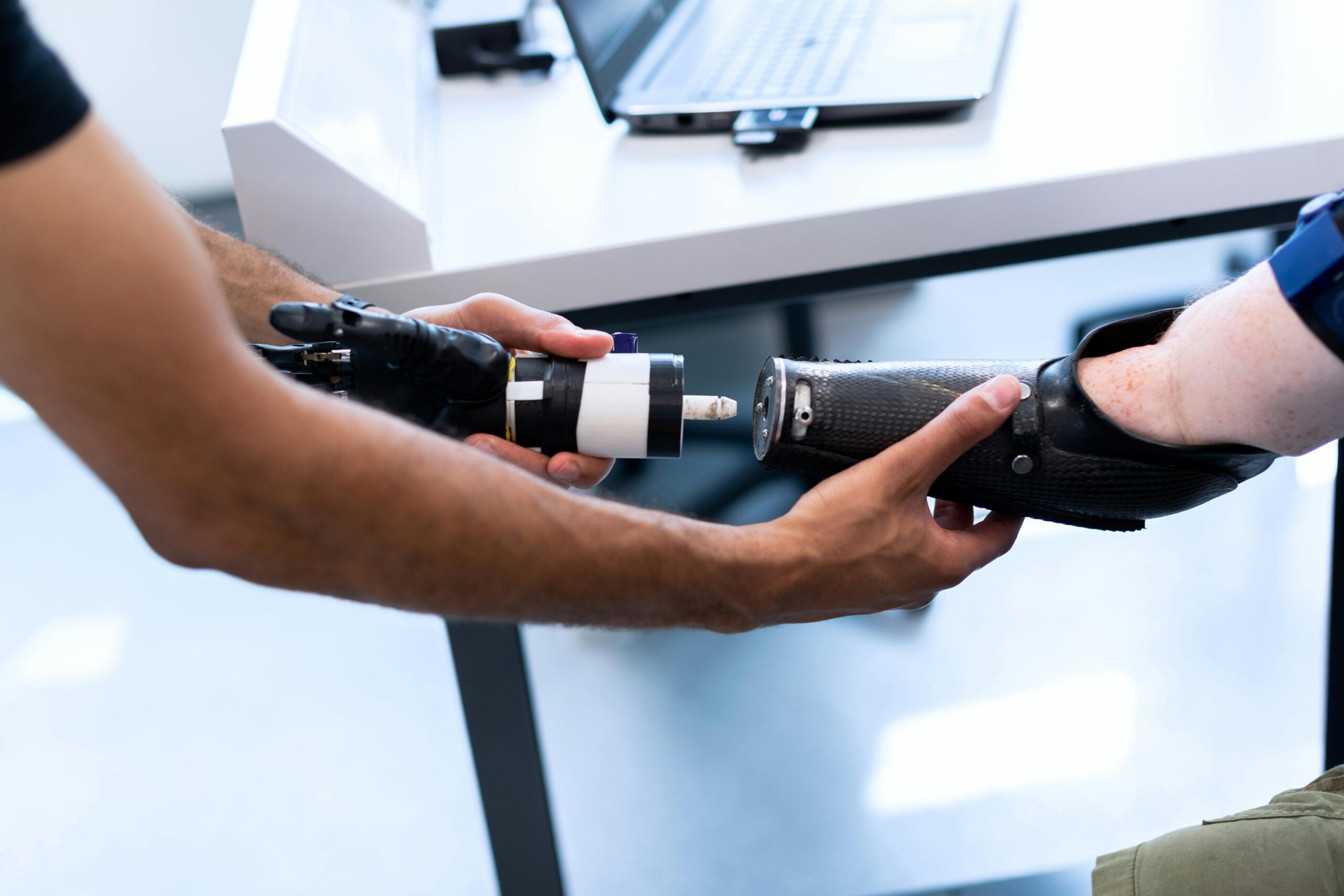
Mechanical augmentation is reshaping how we experience ancient rituals, merging cutting-edge technology with timeless traditions to create profound, multisensory spiritual encounters.

🔮 The Intersection of Ancient Practice and Modern Innovation
Throughout human history, rituals have served as bridges between the mundane and the sacred, offering communities and individuals pathways to transcendence, meaning, and connection. From the rhythmic drumming of indigenous ceremonies to the intricate choreography of religious observances, these practices have remained remarkably consistent across millennia. Yet today, we stand at a fascinating crossroads where mechanical augmentation—the integration of technology into human experience—offers unprecedented opportunities to deepen, expand, and reimagine these sacred traditions.
The concept of mechanical augmentation in ritual contexts extends far beyond simple technological addition. It represents a thoughtful synthesis where machinery, sensors, digital interfaces, and mechanical systems work in harmony with traditional practices to amplify intention, enhance sensory engagement, and create experiences that honor ancestral wisdom while embracing contemporary possibilities. This emerging field challenges us to reconsider the boundaries between the organic and the mechanical, the ancient and the modern, the spiritual and the technological.
Understanding Mechanical Augmentation in Sacred Spaces
Mechanical augmentation refers to the deliberate integration of technological systems to enhance human capability and experience. In ritual contexts, this might include wearable devices that track physiological responses during meditation, sound systems that reproduce sacred acoustics, lighting installations that respond to participant movement, or even more sophisticated integrations like biofeedback mechanisms that create interactive ceremonial environments.
What distinguishes augmentation from mere technological intrusion is intentionality. Rather than replacing traditional elements, mechanical augmentation seeks to amplify what already exists, making the invisible visible, the inaudible audible, and the intangible tangible. It serves the ritual rather than dominating it, enhancing participant experience while respecting the fundamental nature of the practice.
The Sensory Amplification Paradigm
Human sensory perception has natural limitations. We can only hear certain frequencies, see specific wavelengths of light, and detect particular ranges of temperature and pressure. Ritual traditions have long worked within these constraints, using repetition, symbolism, and trained attention to create transcendent experiences despite our biological boundaries.
Mechanical augmentation expands these boundaries. Subwoofer systems can make participants feel low-frequency vibrations that resonate with internal organs, creating visceral connections to chanting or drumming. Infrared imaging can reveal heat patterns during group meditation, offering visual feedback on collective energetic states. Haptic devices can translate abstract concepts into tactile sensations, making metaphysical ideas physically experiential.
Historical Precedents: Technology Has Always Served Ritual 🏛️
The integration of technology into spiritual practice is not a modern innovation. Every advancement in human capability has eventually found its way into sacred spaces. The development of metallurgy gave us ceremonial bells and gongs. Architectural innovations created acoustically optimized temples and cathedrals. The invention of electricity illuminated religious spaces in ways that candlelight never could.
Consider the pipe organ, which emerged in the third century BCE and became central to Christian worship. This complex mechanical instrument represented cutting-edge technology for its time, yet today we consider it traditionally spiritual. The printing press revolutionized access to sacred texts, democratizing spiritual knowledge in ways that fundamentally transformed religious practice. Even the simple act of recording and broadcasting ceremonies via radio and television represented mechanical augmentation of traditional practices.
What we’re experiencing now is not a departure from tradition but a continuation of humanity’s ongoing relationship with tools, innovation, and the sacred. The difference lies in the sophistication, accessibility, and integration possibilities of contemporary technology.
Biofeedback and the Quantified Spiritual Self
Among the most powerful applications of mechanical augmentation in ritual contexts is biofeedback technology. Heart rate variability monitors, EEG headsets, galvanic skin response sensors, and other physiological tracking devices can provide real-time data about practitioners’ internal states during spiritual practices.
This quantification of subjective experience offers several benefits. Novice practitioners gain concrete feedback about their progress, making abstract goals like “deep meditation” or “spiritual connection” measurable and attainable. Teachers can identify when students are struggling or succeeding, offering targeted guidance. Communities can visualize collective states, creating shared awareness of group coherence or discord.
Applications in Meditative Practices
Meditation apps and devices have proliferated in recent years, representing perhaps the most widespread form of mechanical augmentation in spiritual practice. These tools range from simple timers and ambient soundscapes to sophisticated systems that adjust audio, visual, or haptic feedback based on measured brain activity.
Some advanced meditation systems use neurofeedback, training practitioners to achieve specific brainwave patterns associated with deep meditative states. When the desired pattern is detected, the system provides positive reinforcement through pleasant tones or visual rewards. This creates a biofeedback loop that accelerates learning and deepens practice in ways that traditional instruction alone cannot achieve.
🎵 Sonic Enhancement and Acoustic Engineering
Sound has always been central to ritual experience. Chanting, singing, drumming, and instrumental music create emotional resonance, mark temporal transitions, and facilitate altered states of consciousness. Mechanical augmentation takes these traditional sonic elements and expands their possibilities exponentially.
Modern sound systems can reproduce frequencies and volumes that human voices and traditional instruments cannot achieve. Spatial audio technology can create three-dimensional soundscapes that move around participants, simulating the experience of being enveloped by the sacred. Generative music algorithms can create infinite variations on traditional melodies, ensuring freshness while maintaining ritual continuity.
Vibroacoustic Therapy in Ceremonial Contexts
Vibroacoustic therapy uses low-frequency sound waves, transmitted through specialized furniture or wearable devices, to create full-body sonic experiences. These vibrations can induce relaxation, facilitate emotional release, and create profound somatic experiences that complement traditional ritual elements.
Imagine a ceremony where participants lie on vibroacoustic mats while traditional chants are performed. The mechanical system translates the vocal frequencies into full-body vibrations, allowing participants to feel the sacred sounds resonating through their entire being. This multisensory integration creates experiences that purely acoustic or purely tactile elements alone could not achieve.
Visual Augmentation: Light, Projection, and Virtual Spaces
Visual elements have always played crucial roles in ritual—from the architecture of sacred buildings to the choreography of ceremonial movement. Mechanical augmentation expands visual possibilities through projection mapping, responsive lighting systems, and immersive virtual environments.
Projection mapping can transform ordinary spaces into sacred ones, overlaying digital imagery onto physical architecture to create contextually appropriate environments. A basement meditation room can become a forest grove, a mountain temple, or an abstract mandala. These visual transformations support psychological and emotional shifts that facilitate ritual engagement.
Augmented and Virtual Reality in Spiritual Practice
Augmented reality (AR) and virtual reality (VR) technologies offer perhaps the most dramatic forms of mechanical augmentation. VR can transport practitioners to sacred sites they could never physically visit—walking through ancient temples, witnessing historical ceremonies, or exploring metaphysical landscapes that exist only in imagination.
AR overlays digital information onto physical reality, potentially making invisible elements of ritual practice visible. Imagine viewing energy meridians during acupuncture, seeing visual representations of sound frequencies during chanting, or watching real-time data visualizations of group coherence during collective meditation.
Ethical Considerations and Authentic Integration ⚖️
The integration of mechanical augmentation into ritual practice raises important ethical questions. How do we ensure that technology serves tradition rather than commodifying or distorting it? What are the risks of creating dependency on external devices for experiences that should emerge from internal development? How do we respect cultural ownership and sacred knowledge when translating practices into technological formats?
Authentic integration requires ongoing dialogue between tradition holders, practitioners, technologists, and communities. Technology should be introduced with humility, reverence, and clear understanding of its role as servant rather than master. The goal is enhancement, not replacement—amplifying human experience without diminishing the human element that makes ritual meaningful.
Avoiding Technological Bypass
One significant risk is “technological bypass”—using mechanical augmentation to create experiences without doing the internal work that traditional practice requires. A device that stimulates brainwave patterns associated with deep meditation might create temporary states, but it doesn’t develop the discipline, insight, and character transformation that sustained practice cultivates.
Mechanical augmentation works best when integrated with, not substituted for, traditional training and practice. The technology should support the journey, not provide shortcuts that bypass essential developmental stages.
🌍 Accessibility and Democratization
One of the most promising aspects of mechanical augmentation is its potential to make ritual experiences accessible to people who face barriers with traditional approaches. Individuals with physical disabilities, sensory impairments, geographical isolation, or other limitations can participate in ways that traditional formats don’t accommodate.
Haptic translation devices can make sonic rituals accessible to deaf participants. Virtual reality can transport mobility-impaired individuals to remote sacred sites. Biofeedback systems can help neurodivergent practitioners navigate internal states that might otherwise be confusing or overwhelming. This democratization honors the universal human need for ritual and transcendence while respecting individual differences.
Case Studies: Mechanical Augmentation in Action
Several pioneering projects demonstrate the potential of thoughtfully integrated mechanical augmentation. The “Collective Body” project uses wearable sensors to track participants’ physiological states during group meditation, visualizing collective coherence through ambient lighting that shifts based on group synchronization. When the community achieves high coherence, the space fills with warm, harmonious light; when scattered, the lighting becomes fragmented and cool.
The “Sacred Acoustics” initiative combines traditional shamanic drumming with binaural beat technology and personalized frequency optimization based on individual brain patterns. Participants report achieving deeper trance states more quickly and with greater consistency than through traditional drumming alone.
The “Temple of No Temple” project uses projection mapping and spatial audio to create temporary sacred spaces in secular buildings. By transforming ordinary rooms into visually and acoustically appropriate environments, it makes ritual practice accessible in contexts where dedicated sacred architecture doesn’t exist.
🔬 The Neuroscience of Enhanced Ritual Experience
Scientific research increasingly validates the neurological impacts of ritual practices and suggests how mechanical augmentation might deepen these effects. Brain imaging studies show that meditation, chanting, and ceremonial movement create measurable changes in neural activity, connectivity, and chemistry.
Mechanical augmentation can optimize these neurological impacts. Rhythmic stimulation at specific frequencies can entrain brainwave patterns, facilitating states associated with transcendence and insight. Multisensory integration—coordinating visual, auditory, and tactile inputs—creates more robust neural representations and deeper memory encoding than single-sense experiences.
The Flow State and Technological Support
Flow states—characterized by complete absorption, loss of self-consciousness, and optimal performance—are central to many ritual experiences. Research suggests that carefully calibrated environmental factors can facilitate flow, and mechanical augmentation offers precise control over these factors.
By monitoring physiological markers and adjusting environmental inputs in real-time, augmented ritual systems can maintain optimal conditions for flow. When attention begins to wander, the system might intensify sensory input; when overstimulation threatens, it might simplify the environment. This dynamic responsiveness supports sustained transcendent experience.
Future Directions: Where Technology and Tradition Converge 🚀
The field of mechanically augmented ritual practice continues to evolve rapidly. Emerging technologies promise even more sophisticated integrations. Brain-computer interfaces might eventually allow direct neural interaction with ceremonial environments. Artificial intelligence could serve as intelligent ritual guides, adapting practices to individual needs in real-time. Biotechnology might enable new forms of sensory perception specifically designed for spiritual practice.
The key to beneficial development lies in maintaining clear priorities: technology serves humanity, enhancement respects tradition, and innovation honors wisdom. As we continue exploring these possibilities, we must remain grounded in the fundamental purposes of ritual—connection, meaning, transcendence, and transformation.
Creating Personal Practice with Augmentation Tools
For individuals interested in exploring mechanical augmentation in their own ritual practices, several approaches offer accessible entry points. Begin with simple tools like meditation apps that provide structure, guidance, and basic tracking. Progress to biofeedback devices that reveal internal states, offering concrete data about practice effectiveness.
Experiment with environmental controls—programmable lighting that shifts throughout meditation sessions, soundscapes that evolve over time, or temperature variations that mark ritual transitions. These simple augmentations can significantly enhance practice without requiring expensive or complex technology.
Document your experiences, noting what enhancements genuinely deepen practice versus what feels gimmicky or distracting. Mechanical augmentation should feel like natural extension of your ritual intentions, not like technological intrusion. Trust your embodied wisdom about what serves your spiritual development.

💡 The Wisdom of Balanced Integration
As we navigate this fascinating intersection of tradition and innovation, balance remains essential. Mechanical augmentation offers genuine opportunities to deepen, expand, and democratize ritual experience, but it cannot replace the human elements—intention, commitment, community, and embodied practice—that make rituals meaningful.
The most powerful applications honor both aspects: the timeless wisdom embedded in traditional practices and the unprecedented capabilities that technology provides. When we approach mechanical augmentation with reverence for tradition, ethical consideration, and genuine service to human flourishing, we create opportunities for ritual experiences that our ancestors could never have imagined yet would likely recognize as authentically sacred.
The power of mechanical augmentation lies not in replacing what has always worked but in amplifying it, making accessible what was once available only to dedicated specialists, and creating new pathways to the transcendent experiences that all humans seek. As we continue this exploration, we participate in the ancient human project of reaching toward the sacred with whatever tools our era provides, honoring the past while embracing the possibilities of the future.