
Ancient civilizations possessed profound knowledge of measurement systems that transcended mere calculation, weaving mathematical precision with spiritual significance to create architectural masterpieces that still captivate us today.

🏛️ The Divine Proportions That Shaped Civilizations
When we stand before the Great Pyramid of Giza, walk through the Parthenon, or marvel at the intricate designs of Gothic cathedrals, we’re witnessing more than impressive engineering feats. These structures embody sacred measurement units that ancient builders used to encode cosmic principles into physical form. The ancients understood something fundamental: measurement wasn’t just about quantifying space—it was about harmonizing human creations with universal rhythms.
Sacred measurement systems emerged independently across various cultures, from the Egyptian royal cubit to the Mesopotamian ninda, from the Greek stadion to the Vedic yojana. What unites these seemingly disparate systems is their connection to natural phenomena, human proportions, and astronomical observations. These weren’t arbitrary standards but carefully calibrated tools for manifesting harmony in three-dimensional space.
The Royal Cubit: Egypt’s Foundation of Cosmic Order
The royal cubit, measuring approximately 52.4 centimeters, served as the fundamental unit in ancient Egyptian architecture and design. This measurement wasn’t randomly chosen—it reflected deep observations of natural proportions and astronomical cycles. Ancient Egyptian architects used the royal cubit with such precision that modern surveyors marvel at the accuracy of pyramid alignments and temple orientations.
The cubit was divided into seven palms, each containing four digits, creating a 28-part subdivision system that resonated with lunar cycles. This connection between measurement and celestial movements reveals how Egyptian builders perceived their work as microcosmic reflections of macrocosmic order. Every temple, every pyramid, every sacred structure became a bridge between earth and cosmos.
Mathematical Precision Meets Spiritual Purpose
Research has shown that the Great Pyramid’s dimensions encode multiple mathematical constants, including pi and the golden ratio (phi). The base perimeter divided by twice the height yields a remarkably accurate approximation of pi. This wasn’t coincidental—Egyptian architects deliberately embedded these ratios to create structures that resonated with universal mathematical principles.
The royal cubit also related directly to Earth’s dimensions. Some scholars suggest that ancient Egyptians possessed sophisticated geodetic knowledge, with the cubit potentially derived from precise measurements of Earth’s polar radius. Whether this knowledge came from advanced surveying techniques or inherited wisdom remains debated, but the correlation is undeniably intriguing.
Greek Geometry: The Music of Spatial Relationships
The ancient Greeks approached sacred measurement through the lens of geometry and proportion. Pythagoras and his followers believed that number was the essence of all things, and that musical harmony could be expressed spatially through geometric relationships. This philosophy profoundly influenced Greek architecture, where buildings became frozen music—three-dimensional expressions of mathematical harmony.
The Parthenon exemplifies this approach magnificently. Its dimensions employ a complex system of proportional relationships based on the golden ratio. The ratio between column height and spacing, between the width and length of the structure, between architectural elements at various scales—all reflect carefully calculated harmonious proportions that please the eye without most observers consciously understanding why.
The Secret Language of Proportional Systems
Greek architects didn’t work with rigid measurement units alone. They employed proportional systems where relationships between elements mattered more than absolute dimensions. A column might be designed as eight diameters in height, creating a ratio independent of the actual size. This approach allowed for scalability while maintaining harmonious proportions.
The pentagram, laden with golden ratio relationships, served as both a spiritual symbol and practical design tool. Each intersection within this five-pointed star divides lines according to phi, creating a nested series of harmonious proportions. Greek temples often incorporated pentagonal geometry in their layouts and decorative elements, embedding this sacred symbol into architectural form.
🕉️ Vedic Vastu: Orienting Space According to Cosmic Principles
Ancient Indian architecture developed its own sophisticated measurement system through Vastu Shastra, the traditional Hindu system of design and construction. Vastu principles go beyond mere measurement to encompass directional orientation, elemental balance, and energy flow. The fundamental unit, called an angula, was based on human proportions—specifically the width of a finger.
The Vastu Purusha Mandala, a geometric diagram representing cosmic order, served as the foundational template for temple and home design. This grid system, typically arranged in 64 or 81 squares, assigned specific functions and energies to different spatial zones. Architects would scale this mandala according to the project size, maintaining proportional relationships regardless of absolute dimensions.
The Ayadi Calculations: Beyond Physical Measurement
Vastu architects employed complex calculations called Ayadi, which assessed not just physical dimensions but their auspicious qualities. These calculations considered factors like nakshatra (lunar mansion), tithi (lunar day), and other astronomical variables to determine optimal dimensions for structures. A building’s measurements weren’t just about fitting into physical space—they were about aligning with temporal and cosmic rhythms.
This holistic approach treated measurement as multidimensional, accounting for how structures would interact with sunlight across seasons, how air would flow through spaces, and how inhabitants would experience the built environment psychologically and spiritually. Modern sustainable design is only now rediscovering principles that Vastu architects understood millennia ago.
The Golden Ratio: Nature’s Perfect Proportion ✨
Perhaps no mathematical principle appears more frequently in sacred architecture than the golden ratio, approximately 1.618. This irrational number, represented by the Greek letter phi (φ), emerges naturally in plant growth patterns, shell spirals, animal proportions, and even galaxy formations. Ancient builders recognized this proportion’s ubiquity and incorporated it deliberately into their designs.
The golden ratio possesses unique mathematical properties. A golden rectangle, with sides in this proportion, can be subdivided into a square and a smaller golden rectangle infinitely. This self-similar quality creates visual harmony—each part relates to the whole in the same proportion that the whole relates to its parts. This recursive relationship resonates with how nature organizes itself across scales.
From Fibonacci to Architecture
The Fibonacci sequence (1, 1, 2, 3, 5, 8, 13, 21…) approximates the golden ratio increasingly accurately as numbers grow larger. Each number is the sum of the two preceding ones, and the ratio between consecutive Fibonacci numbers approaches phi. Ancient architects often used Fibonacci numbers in their measurement systems, creating structures that embodied natural growth patterns.
Gothic cathedrals frequently employ golden proportions in their vertical dimensions. The relationship between nave width and vault height, between floor and gallery levels, between window proportions—golden ratios appear throughout. These weren’t accidents but deliberate choices by master builders who understood how these proportions create uplifting, harmonious spaces that direct consciousness toward the transcendent.
Chinese Cosmology and the Measurement of Harmony
Traditional Chinese architecture developed its own sacred measurement system rooted in feng shui principles and cosmological understanding. The Chinese foot (chi) varied across dynasties but always maintained connections to human proportions and astronomical observations. More importantly, Chinese builders emphasized relationships between elements rather than absolute measurements.
The Lo Shu Square, a three-by-three magic square where all rows, columns, and diagonals sum to fifteen, provided a numerical template for spatial organization. This pattern appears throughout Chinese architecture, from the Forbidden City’s layout to traditional home designs. The center square represents Earth, while the eight surrounding squares correspond to the eight trigrams of the I Ching, creating a cosmogram in architectural form.
The Module System and Cosmic Resonance
Chinese architects employed a modular system based on the cai-fen, which related to structural timber dimensions. This practical unit connected material properties with design proportions, ensuring structures were both aesthetically pleasing and structurally sound. The system allowed for prefabrication and standardization while maintaining flexibility for artistic expression.
Orientation held supreme importance in Chinese sacred architecture. Buildings aligned precisely with cardinal directions, with entrances typically facing south to receive maximum sunlight. The north-south axis represented the connection between heaven and earth, while the east-west axis symbolized the sun’s daily journey. Measurement wasn’t just about dimensions—it was about positioning structures within cosmic geography.
🌍 Megalithic Measures: Astronomical Alignments in Stone
The megalithic structures scattered across Europe and beyond reveal sophisticated understanding of astronomical cycles and spatial measurement. Professor Alexander Thom’s research identified what he called the “megalithic yard,” approximately 2.72 feet, appearing consistently across British stone circles separated by vast distances and centuries. This suggests a standardized measurement system shared across ancient cultures.
Stonehenge demonstrates astronomical precision that required accurate measurement and careful planning. The heel stone aligns with summer solstice sunrise, while various other stones mark lunar standstills and other celestial events. Creating these alignments demanded not just observational astronomy but the ability to translate astronomical knowledge into precise terrestrial measurements and stone placements.
Geometry Encoded in Landscape
Many megalithic sites employ sophisticated geometry beyond simple circles. Ellipses, compound curves, and complex layouts incorporating multiple geometric shapes appear frequently. These weren’t approximations but intentional designs requiring mathematical knowledge and measurement tools we can only speculate about. Some researchers suggest ancient builders used rope and stake geometry, while others propose more advanced instruments.
The connection between megalithic measurements and astronomical cycles suggests these structures functioned as calendrical devices. By encoding seasonal markers in permanent stone arrangements, ancient communities created tools for agricultural timing, ceremonial scheduling, and maintaining connection with celestial rhythms. Measurement became a technology for synchronizing human activity with cosmic cycles.
Modern Rediscovery: Learning from Ancient Wisdom
Contemporary architects and designers are increasingly recognizing the value embedded in ancient measurement systems. While modern construction relies on metric and imperial standards, there’s growing interest in proportional systems and natural harmonics. The golden ratio appears in modern design, from corporate logos to architectural landmarks, though often without the spiritual context ancient builders provided.
Biophilic design, which seeks to connect building occupants with nature, echoes principles ancient architects understood intuitively. Using natural proportions, orienting buildings according to solar paths, creating spaces that resonate with human scale—these approaches represent a return to wisdom that sacred measurement systems encoded. We’re not inventing new principles but rediscovering timeless ones.
Technology Meets Tradition
Modern surveying technology allows us to analyze ancient structures with unprecedented precision, revealing measurement sophistication that earlier researchers couldn’t detect. Laser scanning of Egyptian temples, photogrammetry of Greek monuments, and astronomical modeling of megalithic sites continue unveiling the depth of ancient knowledge. Each discovery raises new questions about how these civilizations achieved such precision without modern tools.
Digital design tools now enable architects to experiment with sacred geometry and proportional systems more easily than ever. Parametric modeling software can generate complex geometric patterns based on phi, create fractals that echo natural forms, and test how different proportional systems affect spatial experience. Technology provides new means to explore ancient principles.
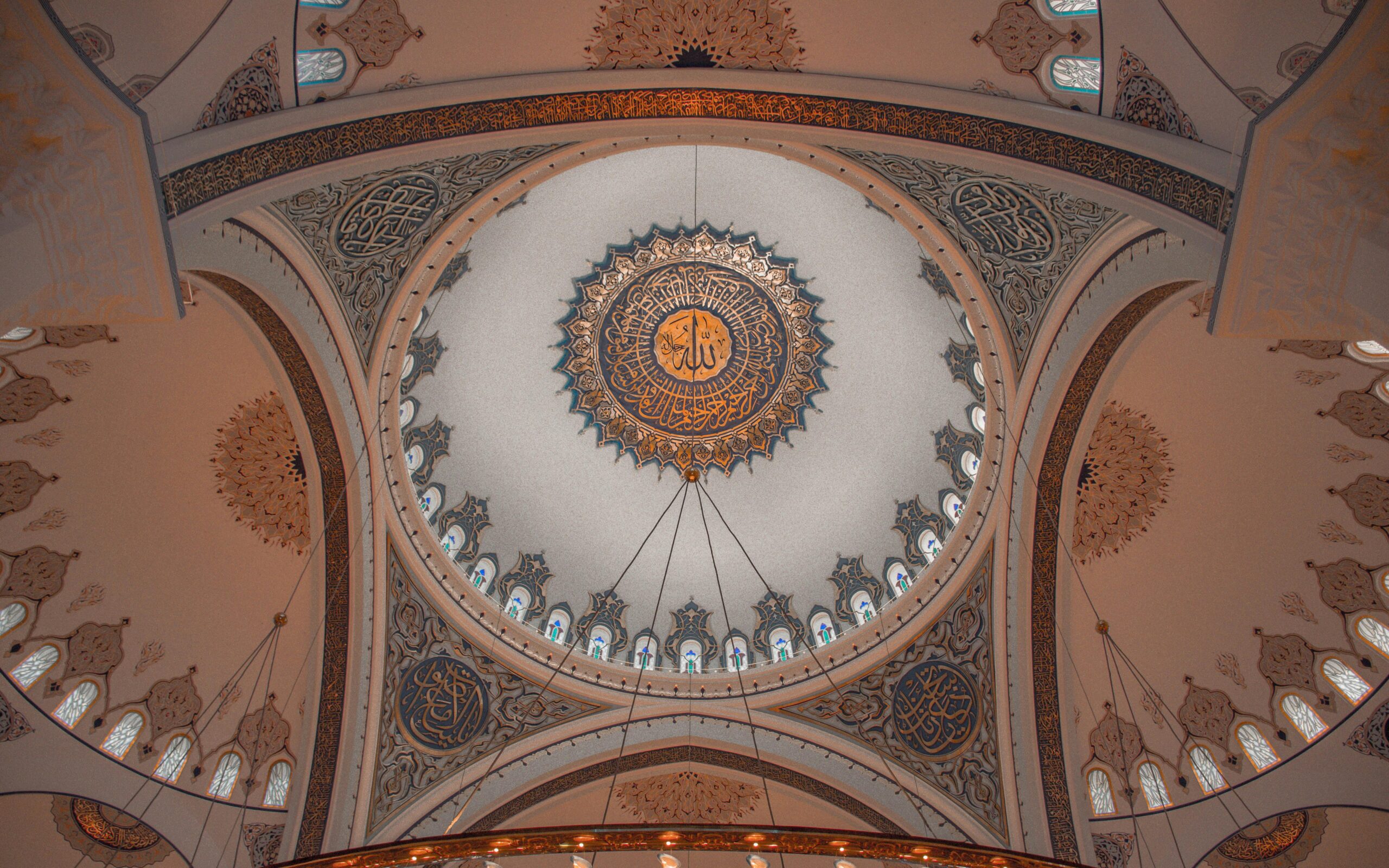
The Living Legacy of Sacred Measurement 📐
Sacred measurement units weren’t merely technical standards—they represented worldviews where humanity, nature, and cosmos formed an interconnected whole. When Egyptian architects used the royal cubit, they weren’t just measuring length; they were invoking cosmic order. When Greek builders employed golden proportions, they weren’t just creating beautiful buildings; they were manifesting philosophical principles in stone.
This holistic approach to measurement offers lessons for our contemporary moment. As we face environmental challenges and seek more sustainable building practices, ancient wisdom about harmonizing human structures with natural rhythms becomes increasingly relevant. Sacred measurement systems remind us that our built environment profoundly affects human experience and that design choices carry consequences beyond mere functionality.
The precision we find in ancient structures should inspire humility. Without computers, laser levels, or digital surveying equipment, ancient builders achieved accuracies that challenge modern construction. They accomplished this through careful observation, accumulated knowledge, and measurement systems that connected physical dimensions to larger patterns. Their legacy invites us to consider what we might be missing in our quantified, standardized approach to measurement.
Understanding sacred measurement units opens doorways to appreciating ancient architecture on deeper levels. These structures aren’t just historical artifacts but encoded teachings about proportion, harmony, and the relationship between mathematical principles and aesthetic experience. By studying how ancient cultures measured and organized space, we gain insights into their cosmologies, values, and sophisticated technical capabilities.
The secrets of sacred measurement ultimately reveal that our ancestors possessed profound wisdom about creating spaces that nourish human consciousness. Whether through Egyptian cubits, Greek proportions, Vedic calculations, or megalithic geometries, these systems demonstrate that measurement can transcend utility to become a tool for manifesting harmony, beauty, and meaning in the physical world. Their legacy continues inspiring those who seek spatial harmony in an age that too often prioritizes efficiency over elegance.