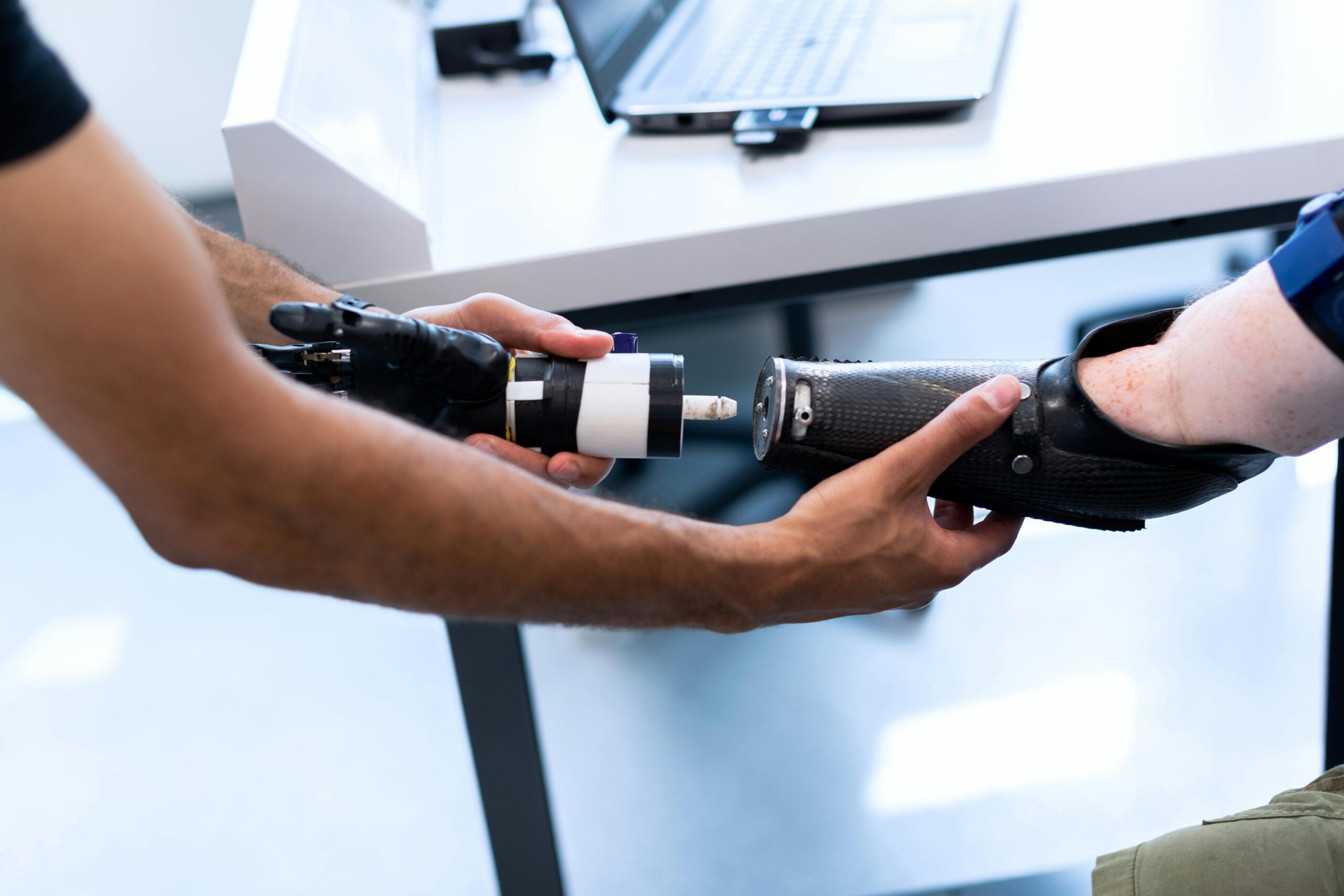
Unlocking peak performance begins with understanding how to harness both human and animal power effectively. This comprehensive guide explores proven strategies to maximize your potential through nature’s most powerful resources.

🔥 The Foundation of Power: Understanding Natural Energy Systems
Throughout human history, our species has evolved alongside animals, creating symbiotic relationships that enhanced survival and performance. Today, this ancient wisdom combines with modern science to reveal unprecedented opportunities for personal and professional growth. The concept of harnessing power extends beyond physical strength—it encompasses mental resilience, emotional intelligence, and the strategic utilization of resources around us.
When we examine optimal performance, we discover that humans have always relied on animal companions to amplify their capabilities. From horses enabling rapid transportation to dogs providing security and companionship, these partnerships created competitive advantages that shaped civilizations. Modern applications of these principles reveal how we can still leverage these natural power sources in contemporary contexts.
The biological synergy between humans and animals offers lessons in efficiency, instinct, and adaptation. Animals operate on intuitive levels that humans have partially lost through technological dependence. By reconnecting with these natural systems, we can recover dormant capabilities and enhance our performance across multiple domains.
💪 Physical Performance: Building Your Biological Engine
Human physical potential remains largely untapped in modern sedentary lifestyles. Our bodies evolved for sustained movement, varied physical challenges, and environmental adaptation. Reactivating these capabilities requires intentional training that mimics natural movement patterns observed in both human ancestors and animal counterparts.
Consider the explosive power of a cheetah, the endurance of wolves, or the strength-to-weight ratio of ants. Each animal exemplifies specific performance characteristics that inform human training methodologies. Plyometric exercises mirror animal leaping patterns, endurance training reflects migratory behaviors, and strength training emulates the resistance animals naturally encounter in their environments.
Movement Patterns That Unlock Human Potential
Animal-inspired movement training has gained scientific validation through biomechanical research. Quadrupedal exercises engage core stabilization systems that conventional training often neglects. Bear crawls, crab walks, and leopard crawls activate neuromuscular pathways that improve coordination, balance, and functional strength.
The practice of MovNat and similar natural movement disciplines demonstrates how returning to primal movement patterns enhances overall physical capability. These approaches emphasize versatility over specialization, preparing the body for unpredictable real-world demands rather than isolated gym exercises.
- Crawling patterns that enhance shoulder stability and core integration
- Jumping and landing mechanics that build explosive power safely
- Climbing movements that develop grip strength and spatial awareness
- Balance challenges that sharpen proprioception and injury prevention
- Ground-based transitions that improve mobility and agility
🧠 Mental Mastery: Cognitive Power Optimization
Mental performance determines success more significantly than physical ability in most modern contexts. The human brain possesses remarkable plasticity, capable of rewiring itself through targeted practices. Understanding how to optimize cognitive function requires examining both human neurological research and observing animal problem-solving strategies.
Animals demonstrate remarkable focus and present-moment awareness that humans struggle to maintain. A hunting predator exhibits complete attention without distraction—a state that humans recognize as flow. This optimal consciousness state correlates with peak performance across disciplines, from athletics to business to creative pursuits.
Attention Training Through Natural Observation
Developing sustained attention requires practice in environments that challenge modern distracted habits. Nature immersion provides ideal conditions for attention restoration, as research by attention restoration theory demonstrates. Spending time observing animal behavior cultivates patience, pattern recognition, and mindfulness.
Birdwatching, for example, trains sustained visual attention and auditory discrimination. Tracking animal signs develops deductive reasoning and hypothesis testing. These activities strengthen cognitive muscles atrophied by digital device dependency, building mental endurance analogous to physical stamina.
Neuroscience reveals that varied environmental stimulation promotes neuroplasticity more effectively than repetitive indoor activities. Natural settings provide complexity, unpredictability, and multisensory engagement that optimizes brain development and maintenance across the lifespan.
🐴 Partnership Power: Working With Animal Allies
Direct collaboration with animals creates performance amplification impossible to achieve individually. Equestrian sports, for instance, require human-animal communication that develops emotional regulation, non-verbal awareness, and leadership skills transferable to human relationships and professional contexts.
Equine-assisted therapy and learning programs demonstrate measurable improvements in executive function, emotional control, and social competence. Horses respond to subtle physiological cues like heart rate and breathing patterns, providing immediate biofeedback that accelerates self-awareness development.
Dogs: Your Accountability and Motivation Partner
Dog ownership correlates with improved physical activity, cardiovascular health, and psychological well-being across demographic groups. The commitment to daily walks creates consistent exercise habits that many people fail to maintain independently. Dogs provide social lubrication, reducing isolation while increasing community connection.
Service dogs and emotional support animals demonstrate how animal partnerships can compensate for human limitations, enabling independence for people with disabilities. These relationships illustrate the broader principle that strategic partnerships—whether with animals or humans—multiply individual capacity exponentially.
Working breeds like border collies, German shepherds, and retrievers possess task-specific capabilities that assist in search and rescue, detection work, and agricultural management. These collaborations showcase how matching human direction with animal specialized abilities creates outcomes neither could achieve alone.
⚡ Energy Management: Sustainable Performance Systems
Optimal performance requires intelligent energy management rather than constant maximum effort. Animals instinctively understand this principle, alternating between intense activity and complete rest. Modern humans often ignore natural energy rhythms, leading to burnout, decreased productivity, and health deterioration.
The concept of ultradian rhythms—90 to 120-minute cycles of peak alertness followed by recovery needs—appears throughout nature. Predators hunt in bursts followed by extended rest. Migratory birds alternate flying with stopover recovery periods. Human performance optimization requires respecting similar biological cycles rather than forcing sustained output.
Circadian Alignment for Peak Performance
Light exposure patterns dramatically influence human performance through circadian system regulation. Morning sunlight exposure optimizes cortisol awakening response, improving alertness and mood. Evening light restriction protects melatonin production, enhancing sleep quality and recovery.
Animals naturally synchronize with light-dark cycles, activity patterns aligning with species-specific optimal performance windows. Humans benefit from similar chronotype awareness—identifying whether you function best as an early, intermediate, or late chronotype enables schedule optimization around natural peak performance periods.
| Performance Domain | Optimal Timing | Animal Inspiration |
|---|---|---|
| Physical training | Late afternoon | Predator hunting peaks |
| Creative work | Morning | Dawn chorus activity |
| Strategic planning | Mid-morning | Primate food finding |
| Social connection | Evening | Pack bonding time |
| Recovery activities | Night | Universal sleep patterns |
🌿 Environmental Optimization: Creating Performance Ecosystems
Animals instinctively select environments matching their needs—burrows for security, elevated perches for surveillance, water sources for sustenance. Humans possess similar environmental requirements often ignored in artificial modern settings. Workspace design, home organization, and lifestyle geography significantly impact performance potential.
Natural elements in indoor environments measurably improve cognitive function, stress reduction, and creativity. Biophilic design principles incorporate plants, natural materials, natural light, and views of nature to create spaces that support rather than drain human capability.
Sensory Environment Calibration
Animals exhibit remarkable sensitivity to environmental conditions—barometric pressure changes, electromagnetic fields, and chemical signals humans consciously overlook. Developing environmental awareness helps identify performance-enhancing or performance-degrading conditions in your surroundings.
Noise pollution impairs cognitive performance through increased cortisol and decreased concentration. Temperature extremes reduce both physical and mental capability. Air quality directly affects respiratory efficiency and brain oxygenation. Optimizing these environmental variables creates conditions where peak performance becomes sustainable rather than exceptional.
🎯 Instinct Recovery: Reconnecting With Innate Wisdom
Modern life often suppresses instinctual responses in favor of intellectual analysis. Animals demonstrate that instinct provides rapid, accurate decision-making in complex situations. Gut feelings, intuitive hunches, and immediate threat assessments represent sophisticated information processing that conscious analysis cannot match for speed or pattern recognition.
Developing instinct requires reducing cognitive override of bodily signals. Hunger and satiety cues, fatigue indicators, and stress responses provide essential performance data when respected rather than suppressed. Athletes describe this state as playing instinctively rather than thinking—a flow state where training becomes automatic execution.
Body Awareness Practices That Sharpen Instinct
Proprioceptive training—awareness of body position and movement—forms the foundation of instinct development. Martial arts, dance, and gymnastics cultivate this internal sensing capability. Balance exercises with closed eyes force reliance on internal sensory systems rather than visual compensation.
Interoception—awareness of internal bodily states—enables emotional regulation and stress management. Meditation practices that focus on breath, heartbeat, or bodily sensations strengthen this crucial capability. Animals naturally possess strong interoceptive awareness, responding to internal states immediately rather than intellectually debating appropriate responses.
🔄 Adaptation Strategies: Building Antifragile Performance
Animals surviving in variable environments demonstrate antifragility—the capacity to improve through stress exposure. This principle applies to human performance across physical, mental, and emotional domains. Controlled stress exposure through progressive challenge builds capacity rather than depleting it.
Hormesis describes beneficial adaptations triggered by low-dose stressors—cold exposure improving metabolism, exercise building strength, intermittent fasting enhancing cellular repair. These practices mirror natural animal experiences: temperature fluctuations, feast-famine cycles, and physical challenges that strengthen rather than weaken.
Progressive Challenge Protocols
Implementing gradual stress exposure prevents overwhelm while triggering adaptation. Cold water immersion starting with 30 seconds and progressively extending duration builds cold tolerance and metabolic resilience. Fasting windows beginning with 12 hours and extending to 16-18 hours develop metabolic flexibility without extreme deprivation.
Physical training periodization—alternating intensity, volume, and recovery—prevents plateau and overtraining. This approach mirrors seasonal animal activity patterns: intense summer activity, moderate spring and fall transition periods, and winter recovery phases.
🚀 Integration Practices: Synthesizing Power Sources
Maximum performance emerges from integrated systems rather than isolated optimization. Physical training enhances mental clarity. Mental practices improve physical coordination. Animal partnerships develop emotional intelligence. Environmental optimization supports all other domains.
Creating daily rituals that incorporate multiple performance dimensions builds sustainable excellence. Morning routines might include movement practice, cold exposure, meditation, and time with animal companions—layering benefits across physical, mental, and emotional systems simultaneously.
Tracking performance metrics across domains reveals interconnections and optimization opportunities. Sleep quality affects training capacity. Nutrition influences mental clarity. Social connection impacts stress resilience. Recognizing these relationships enables strategic intervention when performance declines in any area.
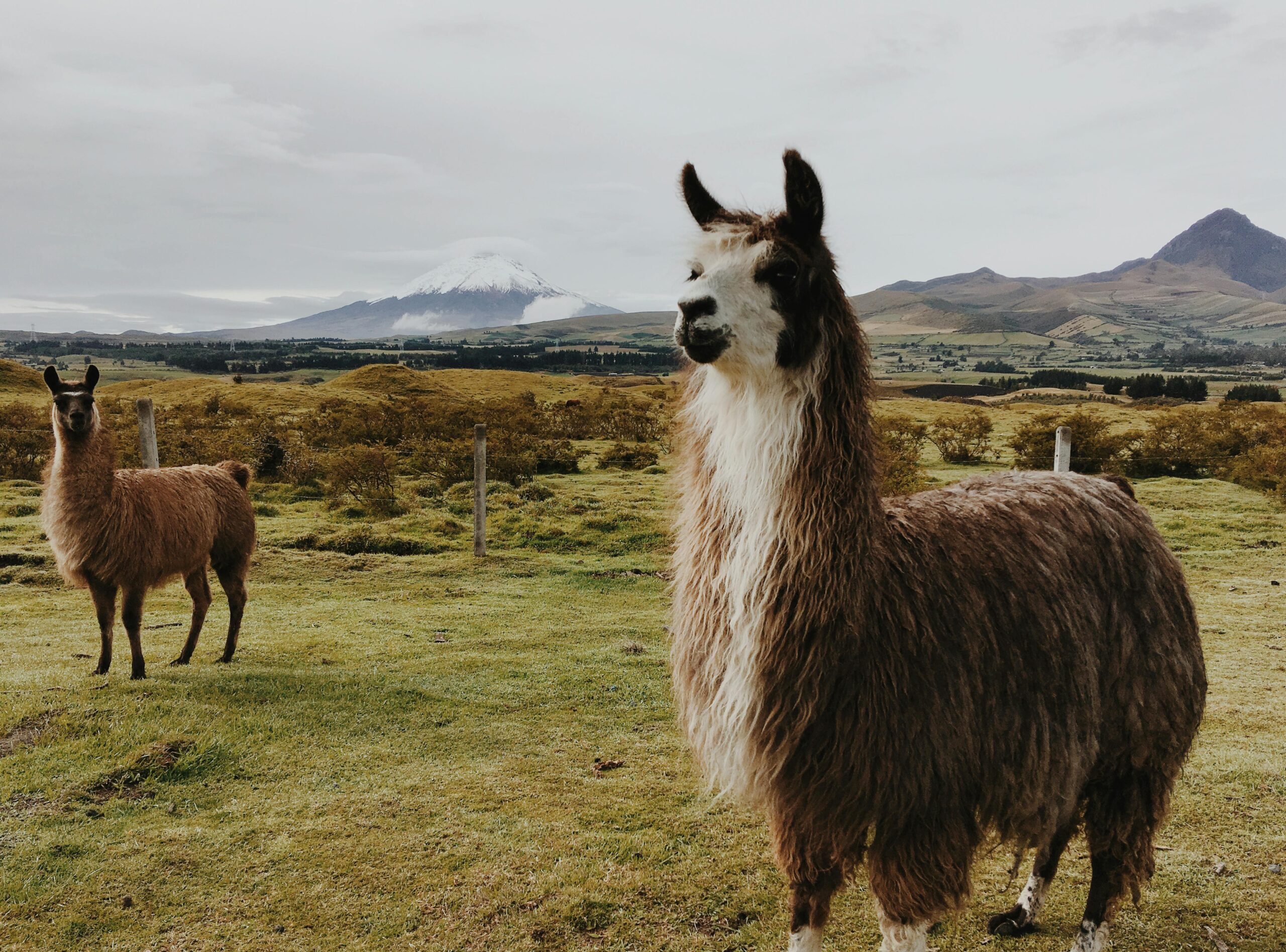
🌟 Unleashing Your Complete Potential
The journey toward optimal performance never reaches a final destination—it represents continuous evolution and adaptation. By integrating lessons from animal efficiency, respecting natural biological systems, and strategically developing capabilities across physical, mental, and emotional domains, you create conditions where peak performance becomes your normal operating state rather than rare exceptional moments.
Start with honest assessment of current capabilities and limitations. Identify the performance domain requiring most urgent attention. Implement one practice from this guide consistently for 30 days before adding another. Sustainable transformation requires patience, consistency, and respect for natural adaptation timelines.
Remember that animals don’t strive for performance—they simply express their nature fully. Your potential already exists within you, waiting for the right conditions to emerge. By removing obstacles, optimizing environment, and practicing consistently, you allow inherent capabilities to manifest naturally. This approach creates lasting transformation rather than temporary improvement followed by regression.
The power to perform optimally has always been yours. Now you possess the knowledge to unleash it systematically, sustainably, and completely. Begin today with one small action aligned with your natural strengths, and watch as consistent practice compounds into extraordinary capability over time.