
Modern science is peeling back the layers of time, revealing how ancient civilizations achieved technological feats that still astound researchers and enthusiasts worldwide today.

The intersection of archaeology, experimental archaeology, and cutting-edge technology has opened unprecedented windows into the past. Researchers are no longer content with merely excavating artifacts and speculating about their purposes. Instead, they’re rolling up their sleeves, recreating ancient techniques, and testing hypotheses through hands-on experimentation that brings history to life in remarkable ways.
This revolutionary approach to understanding our ancestors has transformed our comprehension of ancient engineering, construction methods, and technological capabilities. From reconstructing Roman concrete to recreating Greek fire, from building Egyptian boats to forging Bronze Age weapons, experimental archaeology is rewriting what we thought we knew about ancient power and ingenuity.
🔬 The Science Behind Experimental Archaeology
Experimental archaeology represents a paradigm shift in how we approach ancient civilizations. Rather than relying solely on written records and theoretical analysis, researchers engage in practical reconstructions that test the limits of ancient technology. This methodology provides empirical data that either confirms or challenges long-held assumptions about historical capabilities.
The process typically begins with careful study of archaeological evidence, including tool marks, material composition, and structural remains. Scientists then formulate hypotheses about construction methods, manufacturing techniques, or operational procedures. The critical step involves actually attempting to replicate these processes using period-appropriate materials and methods.
What makes this approach particularly valuable is its ability to reveal information that no amount of theoretical study could uncover. The physical act of reconstruction exposes practical challenges, time requirements, skill levels needed, and resource consumption that ancient peoples must have confronted. These insights fundamentally reshape our understanding of ancient societies and their remarkable achievements.
⚡ Reconstructing Ancient Engineering Marvels
Perhaps nowhere is experimental archaeology more dramatic than in reconstructing massive ancient structures. The pyramids of Egypt, Stonehenge, and Roman aqueducts have all been subjects of reconstruction experiments that illuminate ancient engineering prowess.
Recent experiments with pyramid construction have tested various theories about how multi-ton blocks were quarried, transported, and precisely positioned. Researchers have successfully demonstrated that relatively simple tools combined with ingenious techniques could indeed accomplish these seemingly impossible tasks. Experiments with copper tools, wooden sledges, and water-lubricated sand ramps have proven surprisingly effective.
The Roman Concrete Revolution
One of the most exciting recent breakthroughs involves understanding Roman concrete, which has outlasted modern formulations by centuries. Experimental reconstructions have revealed that Romans incorporated volcanic ash in specific ratios, creating a material that actually strengthens over time through chemical reactions with seawater.
Researchers at various universities have recreated Roman concrete recipes, testing different volcanic ash sources and mixing ratios. These experiments have demonstrated that ancient builders possessed sophisticated understanding of material science, even without modern analytical tools. The reconstructed concrete shows the same remarkable durability as ancient samples, validating historical construction methods.
This knowledge has practical modern applications, potentially revolutionizing sustainable construction practices. The Roman formula requires lower temperatures to produce than modern Portland cement, significantly reducing carbon emissions while creating more durable structures.
🗡️ Ancient Metallurgy and Weapon Technology
Experimental reconstructions of ancient metalworking have unveiled sophisticated techniques that challenge assumptions about technological progression. Bronze Age smiths demonstrated remarkable skill in creating alloys with specific properties for different applications.
Modern blacksmiths working with archaeologists have recreated ancient forging techniques, revealing that historical metallurgists understood work-hardening, annealing, and differential heat treatment. Weapons reconstructed using these methods often match or exceed the performance of similar modern items, demonstrating that ancient craftspeople were true masters of their art.
Damascus Steel and Pattern Welding
The legendary Damascus steel has been partially recreated through experimental archaeology. While the exact original process remains somewhat mysterious, researchers have produced blades with similar properties and distinctive watered-silk patterns using techniques that ancient smiths could have employed.
Pattern welding experiments have shown how Celtic and Viking smiths created composite blades with hard edges and flexible cores. These reconstructions required hundreds of hours of forge work, revealing the tremendous skill and labor investment that went into ancient weapons. The resulting blades perform remarkably well in cutting tests, validating historical accounts of their effectiveness.
🚢 Maritime Technology and Ancient Navigation
Reconstructing ancient ships and actually sailing them provides invaluable insights into maritime capabilities. Full-scale replicas of Viking longships, Greek triremes, and Polynesian outriggers have been built and tested in open water, revealing sophisticated naval architecture and navigation knowledge.
The Kyrenia II project recreated a Greek merchant vessel from around 300 BCE, while the Trireme Trust built Olympias, a full-scale ancient Greek warship. Sea trials demonstrated that these vessels performed far better than skeptics had predicted, achieving impressive speeds and maneuverability.
Perhaps most remarkable are the Polynesian voyaging canoes that have successfully completed long-distance ocean passages using only traditional navigation techniques. The Hōkūleʻa voyage from Hawaii to Tahiti and beyond proved that ancient Polynesian navigators could intentionally colonize remote Pacific islands using celestial navigation, wave patterns, and natural signs.
🏺 Ancient Manufacturing and Production Systems
Experimental archaeology has revolutionized our understanding of ancient production capabilities. Reconstructions of Roman pottery workshops, medieval glass furnaces, and ancient textile operations reveal sophisticated production systems with surprising efficiency.
Pottery experiments have demonstrated that ancient kilns could achieve remarkably consistent firing temperatures and atmospheric conditions. Researchers have successfully recreated distinctive pottery styles by replicating specific firing techniques, clay preparations, and decoration methods. These experiments often require multiple attempts, highlighting the skill level ancient potters achieved through years of practice.
Textile Production and Dyeing Technologies
Recreating ancient textile production from fiber processing through weaving to dyeing has illuminated the tremendous labor and skill involved. Experimental archaeologists have processed flax into linen, raised sheep for wool, and extracted silk, discovering that textile production consumed enormous time and resources in ancient economies.
Ancient dyeing experiments have revealed sophisticated color chemistry knowledge. Recreating Tyrian purple from murex snails required processing thousands of mollusks for small amounts of dye, explaining its legendary value. Similarly, experiments with indigo, madder, and other natural dyes have shown that ancient dyers understood complex mordanting processes and color manipulation techniques.
🔥 Ancient Chemical Technology and Mysterious Substances
Some of the most intriguing experimental archaeology involves recreating mysterious ancient substances. Greek fire, the Byzantine navy’s secret weapon, has been partially recreated, though the exact formula remains debated. Various experiments suggest combinations of petroleum, quicklime, sulfur, and other ingredients that could produce the described effects.
Ancient adhesives and waterproofing compounds have also been successfully reconstructed. Egyptian boat builders used complex resins and pitch mixtures, while Roman plumbers created lead pipe joints with sophisticated solders. These experiments demonstrate advanced chemical knowledge applied to practical problems.
Ancient Medicine and Pharmaceutical Preparations
Researchers have recreated ancient medicinal preparations following historical recipes, sometimes with surprising results. Some ancient remedies show genuine pharmaceutical activity when analyzed with modern chemistry. An Anglo-Saxon eye salve recipe, when reconstructed and tested, demonstrated powerful antibiotic properties against MRSA bacteria, validating thousand-year-old medical knowledge.
🏛️ Agricultural Systems and Food Production
Experimental farms operating with ancient techniques provide insights into agricultural productivity and sustainability. Researchers have recreated Roman farms, medieval field systems, and pre-Columbian raised-field agriculture, measuring yields and labor requirements.
These experiments often reveal that traditional methods were more productive than assumed. Ancient irrigation systems, crop rotation patterns, and soil management techniques sometimes outperform modern industrial agriculture in specific contexts, particularly regarding sustainability and soil health preservation.
Reconstructing ancient food processing techniques has also proven enlightening. Experiments with Roman fish sauce production, Egyptian beer brewing, and Mesoamerican chocolate preparation have recreated ancient flavors while revealing sophisticated fermentation and preservation knowledge.
⚙️ Power Systems and Mechanical Technology
Ancient mechanical devices have been recreated to understand their operational principles and capabilities. The Antikythera mechanism, an ancient Greek astronomical calculator, has been reconstructed multiple times, each iteration revealing more about its sophisticated gear systems and predictive functions.
Roman water-powered milling systems have been rebuilt at archaeological sites, demonstrating impressive industrial capacity. These mills could grind grain on scales approaching modern production levels, supporting large urban populations. The mechanical sophistication of these installations challenges assumptions about pre-industrial technological limitations.
Ancient Energy Systems and Resource Management
Experimental reconstructions of ancient smelting operations, pottery kilns, and metalworking furnaces reveal sophisticated understanding of thermodynamics and fuel efficiency. Ancient metallurgists achieved temperatures exceeding 1000°C using charcoal and carefully designed furnaces with forced air systems.
These experiments demonstrate that ancient peoples maximized energy efficiency within their technological constraints, often achieving results that modern attempts struggle to match using supposedly primitive methods.
🎨 Artistic Techniques and Monumental Art
Recreating ancient artistic techniques has revealed sophisticated knowledge of materials, pigments, and application methods. Experiments with ancient painting techniques, from Egyptian tomb paintings to Roman frescoes, show that artists possessed advanced understanding of color chemistry, surface preparation, and preservation methods.
Sculptors working with ancient tools have demonstrated that remarkable artistic achievements were possible with bronze and stone implements. Creating statues and reliefs using reconstructed ancient techniques often requires less time than skeptics predicted, though tremendous skill remains essential.
💡 What Ancient Power Teaches Modern Society
The insights gained from experimental reconstructions extend beyond historical curiosity. Ancient solutions to engineering, manufacturing, and resource management challenges often prove surprisingly relevant to modern sustainability concerns. Low-energy production methods, durable materials, and efficient designs offer alternatives to resource-intensive modern approaches.
Roman concrete’s longevity suggests construction methods that could dramatically reduce infrastructure maintenance costs and environmental impact. Ancient agricultural systems demonstrate sustainable food production techniques applicable to modern permaculture and organic farming. Traditional metallurgy offers lower-energy alternatives for producing high-quality materials.
Perhaps most importantly, experimental archaeology reveals that technological sophistication doesn’t necessarily correlate with industrialization or fossil fuel consumption. Ancient peoples achieved remarkable results through deep understanding of materials, ingenious mechanical advantage application, and accumulated empirical knowledge passed through generations.
🌍 The Future of Experimental Archaeology
Emerging technologies are revolutionizing experimental archaeology itself. 3D scanning and printing allow precise replication of artifacts for testing. Computer modeling simulates ancient construction processes, predicting challenges and resource requirements. Materials science provides unprecedented analysis of ancient substances, enabling more accurate reconstructions.
Virtual reality creates immersive experiences of reconstructed ancient sites and processes, making experimental archaeology accessible to broader audiences. Citizen science projects engage enthusiasts in data collection and experimental trials, expanding research capacity beyond academic institutions.
International collaboration increasingly connects researchers across disciplines and borders, pooling knowledge and resources for ambitious reconstruction projects. These partnerships tackle questions that individual researchers or institutions couldn’t address alone, pushing boundaries of what can be learned through experimental approaches.
🔑 Unlocking Continuing Mysteries
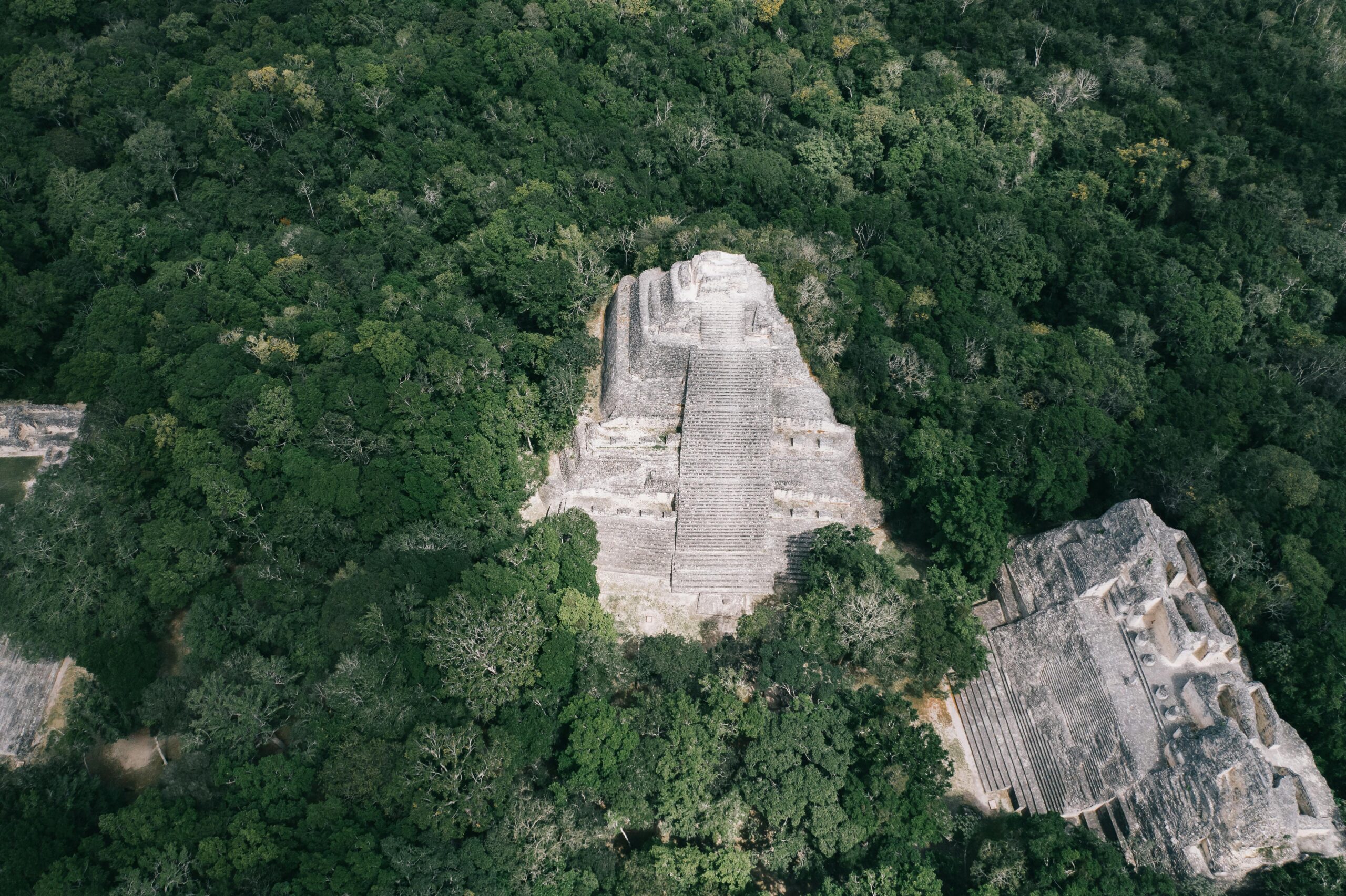
Despite tremendous progress, many ancient mysteries remain unsolved. How exactly were the largest pyramid blocks lifted into position? What was the complete formula for Greek fire? How did ancient Amazonians create terra preta, their remarkably fertile soil? Ongoing experimental projects continue investigating these questions.
Each successful reconstruction raises new questions while answering old ones. The iterative process of hypothesis, experiment, analysis, and refinement gradually illuminates ancient capabilities while respecting the genuine achievements of our ancestors. This humble, evidence-based approach contrasts sharply with sensationalist claims of alien intervention or lost super-civilizations.
The real story revealed through experimental archaeology proves more fascinating than any fiction. Ancient peoples were not primitive or intellectually inferior. They were innovative problem-solvers who achieved remarkable results within their technological constraints, leaving legacies that continue instructing and inspiring modern society.
Experimental reconstructions demonstrate that understanding ancient power requires getting our hands dirty, literally recreating the processes our ancestors mastered. This hands-on approach generates respect for historical achievements while providing practical knowledge applicable to contemporary challenges. As research continues, we’ll undoubtedly uncover more secrets of ancient civilizations, further illuminating humanity’s remarkable technological journey through time.