
Water has served as a sacred element across religions for millennia, reflecting divine presence and spiritual transformation in ceremonial practices worldwide.

💧 The Sacred Essence of Water in Spiritual Traditions
Throughout human history, water has occupied a central position in religious rituals and spiritual ceremonies. Its reflective properties have made it more than just a physical substance—it becomes a mirror between the earthly and the divine. Ancient civilizations recognized that water’s ability to reflect light and images created a powerful metaphor for spiritual enlightenment and self-awareness. Today, modern religious practices continue to embrace water’s symbolic significance while incorporating innovative reflection devices that enhance these sacred experiences.
The use of reflection devices in conjunction with water ceremonies represents a fascinating intersection of ancient wisdom and contemporary technology. These tools amplify water’s natural reflective qualities, creating immersive spiritual environments that deepen participants’ connections to their faith traditions. From simple polished surfaces to sophisticated optical instruments, reflection devices have transformed how communities engage with water-based rituals.
🌊 Historical Foundations of Water Reflection in Worship
Ancient temples were deliberately constructed near water sources, not merely for practical reasons but for their reflective properties. Egyptian priests used sacred pools to observe celestial reflections during astronomical rituals, believing these mirrored images connected them directly to their deities. The Temple of Karnak featured massive reflecting pools that doubled the visual impact of its architectural grandeur, creating awe-inspiring spiritual experiences.
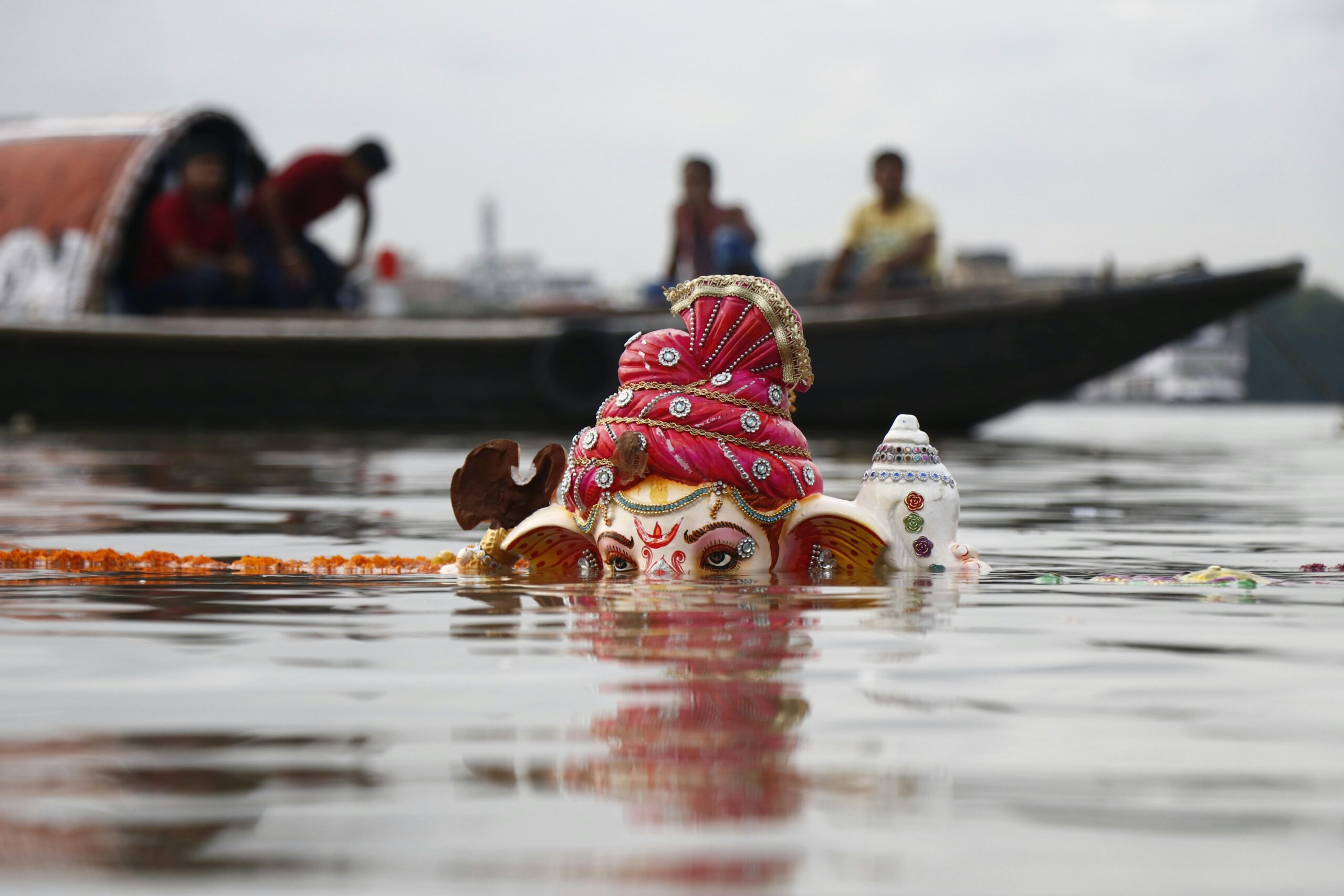
In Hindu traditions, temple tanks known as pushkarinis served as sacred reflecting pools where devotees could see their physical form alongside temple architecture, symbolizing the unity between individual souls and divine consciousness. These water bodies were carefully positioned to capture reflections of temple spires and deity images, reinforcing theological concepts through visual metaphor.
Byzantine Christianity and Baptismal Reflections
Early Christian baptisteries incorporated reflection principles into their architectural design. The octagonal fonts common in Byzantine churches were often made of polished marble or metal, designed to reflect candlelight and create luminous effects during baptism ceremonies. These reflections symbolized the transformation from darkness to light that baptism represented—the death of the old self and birth of the new spiritual being.
Medieval European monasteries developed contemplative garden pools specifically for meditative reflection practices. Monks would study their reflections in still water as exercises in self-examination and humility, understanding that the surface could be disturbed by even the slightest breath, much like the soul could be disturbed by pride or worldly concerns.
✨ Modern Reflection Devices Enhancing Sacred Water Rituals
Contemporary religious communities have embraced technological innovations that enhance water’s reflective properties during ceremonies. These devices range from simple to sophisticated, each serving to deepen spiritual experiences and create memorable sacred moments.
Mirror Systems and Architectural Integration
Modern houses of worship increasingly incorporate strategic mirror placements that interact with water features. These systems multiply the visual impact of baptismal fonts, ablution basins, and ceremonial pools. Some churches use angled mirrors positioned around baptismal areas to allow congregations better visibility during the ceremony while simultaneously creating infinite reflection patterns that symbolize eternal life.
Synagogues have integrated reflection devices into their mikvah (ritual bath) facilities, where subtle lighting and mirrored surfaces create contemplative environments for spiritual purification. The reflection technology respects modesty requirements while enhancing the ceremonial significance of the immersion ritual.
Fiber Optic and LED Lighting Enhancements
Fiber optic technology has revolutionized how light interacts with ceremonial water. Submerged fiber optic strands create ethereal underwater illumination that reflects upward, producing otherworldly effects during baptisms and blessing ceremonies. These systems can be programmed to change colors corresponding to liturgical seasons or specific ceremonial moments.
LED lighting arrays positioned beneath or around water features offer programmable reflection patterns. During Easter vigil services, some churches create sunrise-simulating reflections in baptismal waters, visually representing resurrection themes. Hindu temples use color-changing LED systems during puja ceremonies to reflect different aspects of various deities honored in the ritual.
🕊️ Symbolism and Theological Significance
The integration of reflection devices with water ceremonies carries profound theological meanings across different faith traditions. Understanding these symbolic layers enriches both participants and observers of these rituals.
Mirroring Divine Truth
In Christian theology, water reflections during baptism symbolize the transformative encounter with divine truth. As the apostle James wrote about looking into a mirror and seeing oneself truly, the reflective water becomes a metaphor for honest self-assessment before God. Modern reflection devices that multiply or clarify these images reinforce this theological message—we see ourselves as we truly are, reflected in the light of divine grace.
Islamic tradition emphasizes purification through ablution (wudu) before prayer. Contemporary mosques have designed wudu facilities with carefully positioned reflective surfaces that allow worshippers to verify the thoroughness of their ritual washing while contemplating spiritual cleansing. The reflection serves as both practical tool and spiritual reminder that external purification symbolizes internal righteousness.
Interconnection and Unity Themes
Buddhist water blessing ceremonies often employ reflection bowls—shallow vessels filled with water that reflect participants’ faces alongside flower offerings and candle flames. This shared reflection symbolizes interconnectedness and the dissolution of ego boundaries. Modern LED-enhanced versions of these bowls create rippling light patterns that visually represent the spreading of compassionate intentions throughout all existence.
Native American water ceremonies increasingly incorporate reflection circles where participants gather around reflective water surfaces. These arrangements allow everyone to see themselves and others simultaneously, reinforcing community bonds and shared responsibility for sacred water sources. Some communities have added solar-powered lighting that respects traditional practices while providing enhanced visibility during dawn or dusk ceremonies.
🏛️ Architectural Design Considerations
Designing sacred spaces that effectively integrate water and reflection devices requires careful planning that honors religious traditions while embracing technological possibilities.
Spatial Geometry and Sight Lines
Architects working on religious buildings must calculate precise angles for mirror placement and water feature positioning. The goal is creating reflection pathways that enhance rather than distract from the ceremony’s focal points. Computer modeling now allows designers to preview exactly how reflections will appear from various congregation seating positions before construction begins.
Ceiling heights and natural light sources dramatically affect reflection quality. Many contemporary churches feature clerestory windows positioned to cast light directly onto baptismal fonts at specific times of day, creating natural reflection effects that change throughout the liturgical year. Supplemental reflection devices then enhance these effects during evening services or cloudy weather.
Materials and Maintenance
Selecting appropriate materials for reflection devices in religious settings involves balancing aesthetic beauty, durability, and maintenance practicality. Stainless steel and brass remain popular for their reflective qualities and traditional appearance, while modern composite materials offer superior longevity in humid environments typical around water features.
Regular maintenance protocols ensure reflection devices continue serving their spiritual purposes effectively. Religious facilities have developed cleaning schedules that prevent water spots and oxidation from diminishing reflective clarity. Some institutions use nano-coating technologies that repel water droplets, maintaining pristine reflective surfaces with minimal upkeep.
📿 Denominational Variations and Practices
Different religious traditions employ water reflection devices in ways that align with their unique theological emphases and ceremonial requirements.
Catholic and Orthodox Traditions
Catholic churches often feature elaborate baptismal fonts with integrated reflection systems that emphasize the sacrament’s gravity and beauty. Some cathedrals have installed fountain-style fonts with multiple water levels, each reflecting candlelight differently to represent the Trinity. Orthodox churches maintain traditional icon placement around water features, with reflection devices positioned to mirror these sacred images during baptism by immersion.
The Easter Vigil service in many Catholic parishes includes blessing of baptismal waters with special attention to the visual spectacle. Reflection devices amplify the drama of candle plunging into water, creating memorable light patterns that help convey resurrection symbolism to congregants.
Protestant Approaches
Protestant denominations that practice believer’s baptism by full immersion have developed baptistry designs that maximize congregational viewing through reflection technology. Angled mirrors and strategic lighting ensure that even in large sanctuaries, the entire assembly can witness the baptismal moment. Some Baptist churches use underwater cameras with display screens, combining technology with traditional reflection principles.
Pentecostal and charismatic communities sometimes incorporate flowing water features with reflection elements that symbolize the dynamic movement of the Holy Spirit. These installations often include adjustable lighting that responds to worship music intensity, creating multisensory spiritual experiences.
Eastern Religious Implementations
Hindu temples have embraced reflection technology in temple tank renovations, installing underwater LED systems that illuminate sacred water bodies during evening arati ceremonies. The reflections of flame offerings multiplied across illuminated water surfaces create spectacular visual expressions of devotion. These modern enhancements complement rather than replace traditional oil lamp ceremonies.
Sikh gurdwaras with sacred pools have implemented sophisticated water filtration systems alongside reflection enhancements, demonstrating commitment to both spiritual significance and environmental stewardship. The reflection of the Guru Granth Sahib in clear, clean water reinforces teachings about purity and truthful living.
🌟 Psychological and Spiritual Impact
Research into religious experience suggests that multisensory engagement significantly enhances spiritual cognition and emotional connection. Water ceremonies utilizing reflection devices engage multiple sensory pathways simultaneously, creating more profound and memorable spiritual experiences.
Enhanced Presence and Mindfulness
Participants in water rituals featuring reflection elements report heightened awareness and presence. The visual complexity of reflected images combined with water’s movement and sound creates what psychologists call a “flow state”—complete immersion in the present moment. This psychological state aligns perfectly with many religions’ emphasis on mindful presence during sacred acts.
The mirror effect of seeing oneself in ceremonial water facilitates deeper self-reflection and personal commitment. Psychological studies indicate that literal self-visualization during significant life events strengthens memory formation and personal meaning-making. Baptism candidates who see their own reflection during the ceremony often describe the experience as more personally transformative than those who don’t.
Community Connection Through Shared Visual Experience
Reflection devices that allow entire congregations to witness water ceremonies simultaneously strengthen communal bonds. Shared viewing of sacred moments creates collective memories that reinforce group identity and values. Churches report increased congregational engagement when baptisms and other water ceremonies feature enhanced visibility through reflection technology.
Intergenerational transmission of faith benefits from memorable visual experiences. Children who witness dramatic water and light displays during religious ceremonies retain stronger impressions of these events, facilitating religious education and identity formation. Many faith communities intentionally design reflection-enhanced ceremonies with young observers in mind.
🌍 Environmental and Ethical Considerations
Contemporary religious communities increasingly recognize responsibility for environmental stewardship, affecting how they implement water ceremonies and reflection devices.
Water Conservation Practices
Many religious institutions have redesigned water features to incorporate recirculation systems that dramatically reduce water consumption. Modern reflection devices work effectively with these conservation-minded systems, proving that environmental responsibility and rich ceremonial practice can coexist. Some churches collect rainwater specifically for baptismal purposes, connecting creation care values directly to sacramental theology.
Solar-powered reflection lighting systems demonstrate technological stewardship aligned with spiritual values. These installations reduce energy costs while maintaining ceremonial effectiveness, appealing particularly to faith communities emphasizing creation care as religious obligation.
Accessibility and Inclusion
Reflection devices can enhance accessibility for participants with various abilities. Individuals with mobility limitations who cannot approach water features closely can still experience visual participation through strategically placed mirrors. Some communities use video reflection systems that project close-up views onto large screens, ensuring everyone fully experiences the ceremony regardless of physical location or visual acuity.
Multilingual congregations benefit from reflection devices that create shared visual focal points transcending language barriers. The universal language of light, water, and reflection communicates spiritual truths across cultural and linguistic differences.
⚡ Future Directions and Innovations
Emerging technologies promise even more sophisticated integration of reflection devices with religious water ceremonies while respecting traditional values and theological integrity.
Augmented Reality Possibilities
Some forward-thinking religious communities are exploring augmented reality applications that could overlay symbolic imagery onto physical water reflections. Imagine baptismal candidates seeing their reflection accompanied by scriptural verses or religious symbols appearing to float on the water surface through AR glasses or projected displays. These technologies could deepen personal meaning without altering traditional ceremony structures.
Holographic Projection Systems
Holographic technology may soon allow three-dimensional religious imagery to appear above water surfaces during ceremonies. These projections could depict scriptural scenes, saints, or religious symbols that interact with actual water reflections, creating immersive spiritual environments. Early experiments in this direction show promise while raising important questions about balancing innovation with reverence.
🙏 Preserving Authenticity While Embracing Innovation
The most successful implementations of reflection devices in religious water ceremonies maintain careful balance between technological enhancement and traditional authenticity. Religious communities must discern which innovations genuinely serve spiritual purposes versus those that merely create spectacle.
Theological reflection should guide technological adoption. Faith leaders increasingly convene committees that evaluate new reflection technologies against denominational teachings and values before implementation. This thoughtful approach ensures innovations enhance rather than distract from core spiritual purposes.
Training for clergy and ceremony leaders now includes instruction on effectively utilizing reflection devices during rituals. Understanding how to position participants, adjust lighting, and time ceremonial actions for maximum reflective impact has become part of pastoral skill sets in technology-equipped worship spaces.
The intersection of ancient water symbolism and modern reflection technology creates unprecedented opportunities for meaningful religious experience. As faith communities continue exploring these possibilities, they demonstrate that embracing innovation need not mean abandoning tradition. Instead, thoughtfully implemented reflection devices can illuminate timeless spiritual truths in ways that resonate with contemporary worshippers while honoring centuries of sacred practice. Water remains what it has always been—a mirror reflecting divine presence and human transformation—now enhanced by technologies that amplify its sacred purpose.