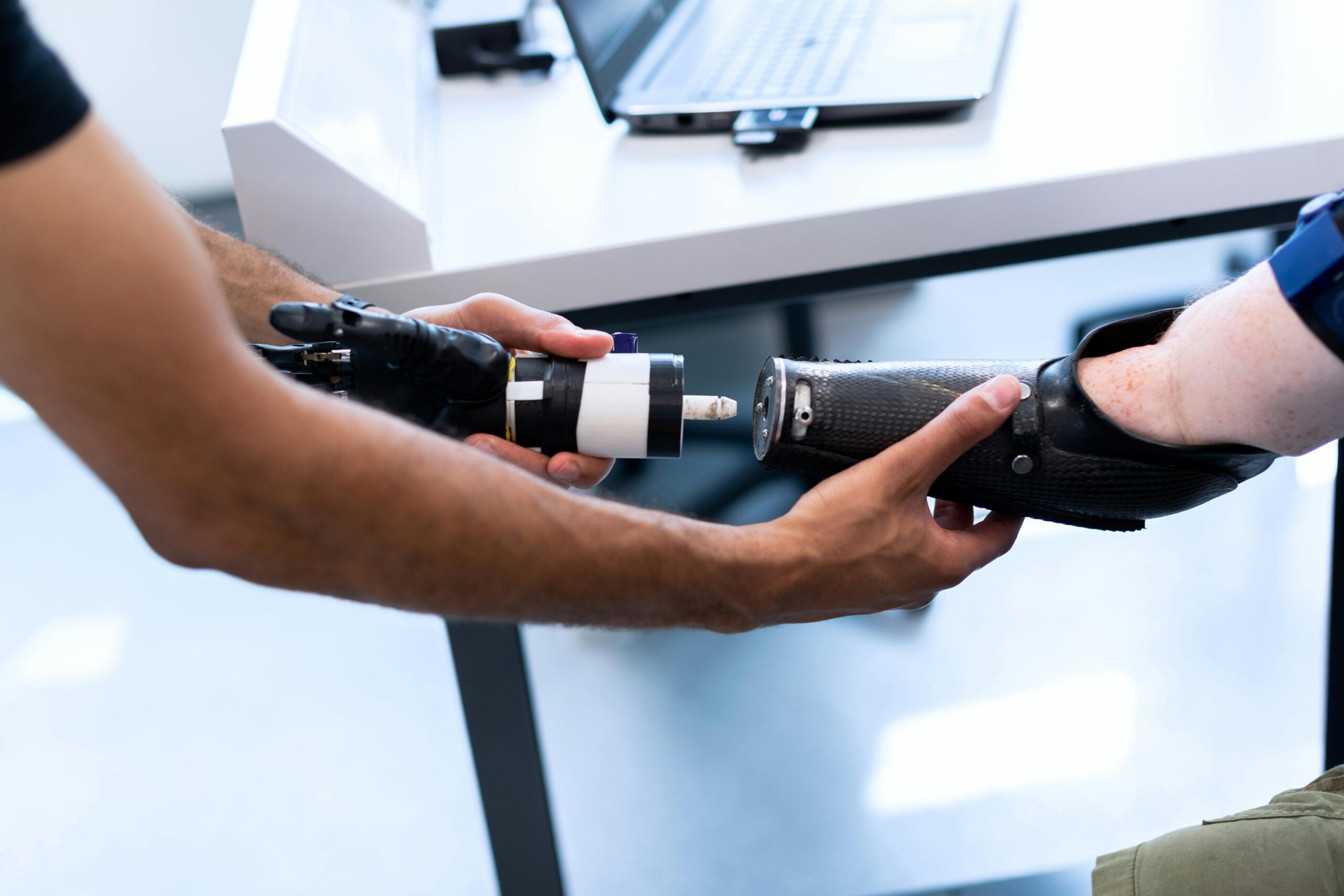
The story of machinery is the story of human ingenuity, stretching from the towering pyramids of ancient Egypt to the sophisticated power plants that illuminate our modern cities. 🏛️

Throughout history, humanity has continuously developed tools and machines to overcome physical limitations, improve efficiency, and transform the world around us. This evolution reflects not just technological advancement, but also our changing understanding of physics, materials science, and energy management. From simple levers and pulleys to complex turbines and computerized systems, machinery has been the driving force behind civilizations and the catalyst for revolutionary changes in how we live, work, and prosper.
Understanding this evolutionary journey provides valuable insights into our current technological landscape and hints at future possibilities. The principles that ancient engineers employed millennia ago still form the foundation of modern mechanical engineering, demonstrating the timeless nature of certain fundamental concepts.
🔨 The Dawn of Mechanical Innovation: Ancient Engineering Marvels
Ancient civilizations achieved extraordinary feats of engineering with remarkably simple tools. The construction of the Egyptian pyramids, particularly the Great Pyramid of Giza, stands as one of humanity’s most impressive mechanical accomplishments. Without powered machinery, ancient Egyptians moved limestone blocks weighing up to 80 tons using wooden sledges, copper tools, and an understanding of simple machines that would impress modern engineers.
Archaeological evidence suggests they employed ramps, levers, and possibly wooden cranes to position massive stone blocks with precision. The level of coordination, mathematical understanding, and mechanical knowledge required for such projects demonstrates that ancient peoples possessed sophisticated engineering capabilities despite their limited technological toolkit.
Beyond Egypt, ancient civilizations across the globe developed their own mechanical innovations. The Romans engineered complex aqueduct systems using gravity-fed channels, employing precise calculations to maintain consistent water flow over vast distances. Their construction techniques and understanding of structural mechanics influenced architecture for centuries afterward.
Simple Machines: The Building Blocks of All Technology
The six classical simple machines identified by Renaissance scientists—lever, wheel and axle, pulley, inclined plane, wedge, and screw—were all utilized in ancient times. These fundamental mechanisms form the basis of virtually all complex machinery developed since then.
- Levers amplified human force, allowing workers to move objects many times their own weight
- Wheels revolutionized transportation and enabled mechanisms like water wheels and potter’s wheels
- Pulleys created mechanical advantage for lifting heavy materials vertically
- Inclined planes reduced the force needed to raise objects to greater heights
- Wedges concentrated force for splitting or cutting through materials
- Screws provided powerful gripping force and precision adjustment capabilities
Ancient Greek mathematician Archimedes famously stated, “Give me a place to stand, and I shall move the Earth,” referring to the mechanical advantage provided by levers. This understanding of mechanical principles laid the groundwork for all subsequent technological development.
⚙️ Medieval Innovations: Harnessing Natural Power Sources
The medieval period witnessed significant advances in harnessing natural energy sources to power machinery. Water wheels and windmills transformed how societies processed grain, manufactured goods, and performed labor-intensive tasks. These machines represented a crucial shift from purely human and animal power to capturing ambient energy from the environment.
Water wheels, which had existed in rudimentary forms since ancient times, became increasingly sophisticated during the medieval era. By the 11th century, thousands of water mills operated across Europe, grinding grain, fulling cloth, and powering forge hammers. The Domesday Book of 1086 recorded over 5,600 water mills in England alone, demonstrating how widespread this technology had become.
Windmills emerged later, with the first documented examples appearing in Persia around the 9th century and reaching Europe by the 12th century. These machines captured wind energy to perform similar tasks as water wheels, but with greater flexibility in location since they weren’t dependent on water sources.
The Clock: Precision Machinery Emerges
Medieval clockmakers developed increasingly complex mechanical systems that would influence machinery design for centuries. Early mechanical clocks, appearing in European monasteries and town squares during the 13th and 14th centuries, required precise gear trains, escapement mechanisms, and weight-driven power systems.
These timepieces represented some of the most sophisticated machines of their era, incorporating multiple interconnected components that had to work in perfect synchronization. The precision engineering required for clockmaking directly contributed to advances in metalworking, gear cutting, and mechanical design principles.
🔥 The Industrial Revolution: Steam Changes Everything
The development of the steam engine in the 18th century fundamentally transformed human civilization. Thomas Newcomen’s atmospheric engine of 1712 and James Watt’s improved versions starting in 1765 created the first practical power sources that weren’t dependent on geographical features like rivers or consistent weather patterns like wind.
Steam power liberated factories from riverside locations and enabled the concentration of industry in urban centers. The machinery powered by steam engines increased production capacity exponentially, making goods more affordable and accessible while simultaneously transforming labor practices and social structures.
Steam engines operated on principles of thermodynamics that ancient engineers couldn’t have imagined. By converting heat energy from burning coal into mechanical motion, these machines accessed energy densities far beyond what muscles or environmental forces could provide. This represented a qualitative leap in humanity’s relationship with energy and machinery.
From Factories to Locomotion
The application of steam power to transportation revolutionized global commerce and connectivity. Steam locomotives, first demonstrated by Richard Trevithick in 1804 and commercialized by George Stephenson in the 1820s, made land transportation faster and more reliable than ever before.
Similarly, steam-powered ships eliminated dependence on wind patterns, making oceanic travel predictable and scheduled. These transportation innovations compressed space and time, enabling goods, people, and ideas to circulate with unprecedented speed and frequency.
| Era | Primary Power Source | Key Machinery | Impact |
|---|---|---|---|
| Ancient | Human/Animal muscle | Simple machines, tools | Monumental construction, basic manufacturing |
| Medieval | Water/Wind | Mills, early clockwork | Increased productivity, precision timekeeping |
| Industrial | Steam | Engines, locomotives, factory equipment | Mass production, rapid transportation |
| Modern | Electricity, petroleum, nuclear | Electric motors, generators, turbines, computers | Global connectivity, unprecedented scale of production |
⚡ The Electrical Revolution: Power Becomes Portable
The late 19th century brought another transformative shift with the widespread adoption of electrical systems. Electric motors, generators, and distribution networks created unprecedented flexibility in how power could be generated, transmitted, and utilized.
Unlike steam engines that required each factory to have its own boiler and engine, electrical systems allowed centralized power generation with distribution to countless individual machines. This transformation made smaller-scale operations economically viable and enabled entirely new types of machinery.
Thomas Edison’s development of practical incandescent lighting and direct current distribution systems, along with Nikola Tesla and George Westinghouse’s alternating current systems, established the electrical infrastructure that would power the 20th century. The “War of Currents” between DC and AC systems ultimately resulted in AC’s dominance for long-distance transmission, though both systems found their niches.
Electric Motors: Silent Workhorses of Modernity
Electric motors transformed manufacturing by eliminating the complex systems of shafts, belts, and pulleys that once transmitted power from central steam engines throughout factories. Individual machines could now operate independently, improving safety, efficiency, and flexibility in production layouts.
The efficiency of electric motors—often exceeding 90% energy conversion rates—far surpassed steam engines, which typically achieved only 10-20% efficiency. This dramatic improvement in energy utilization reduced operational costs and environmental impacts while increasing productive capacity.
🏭 Modern Power Plants: Energy Generation at Unprecedented Scale
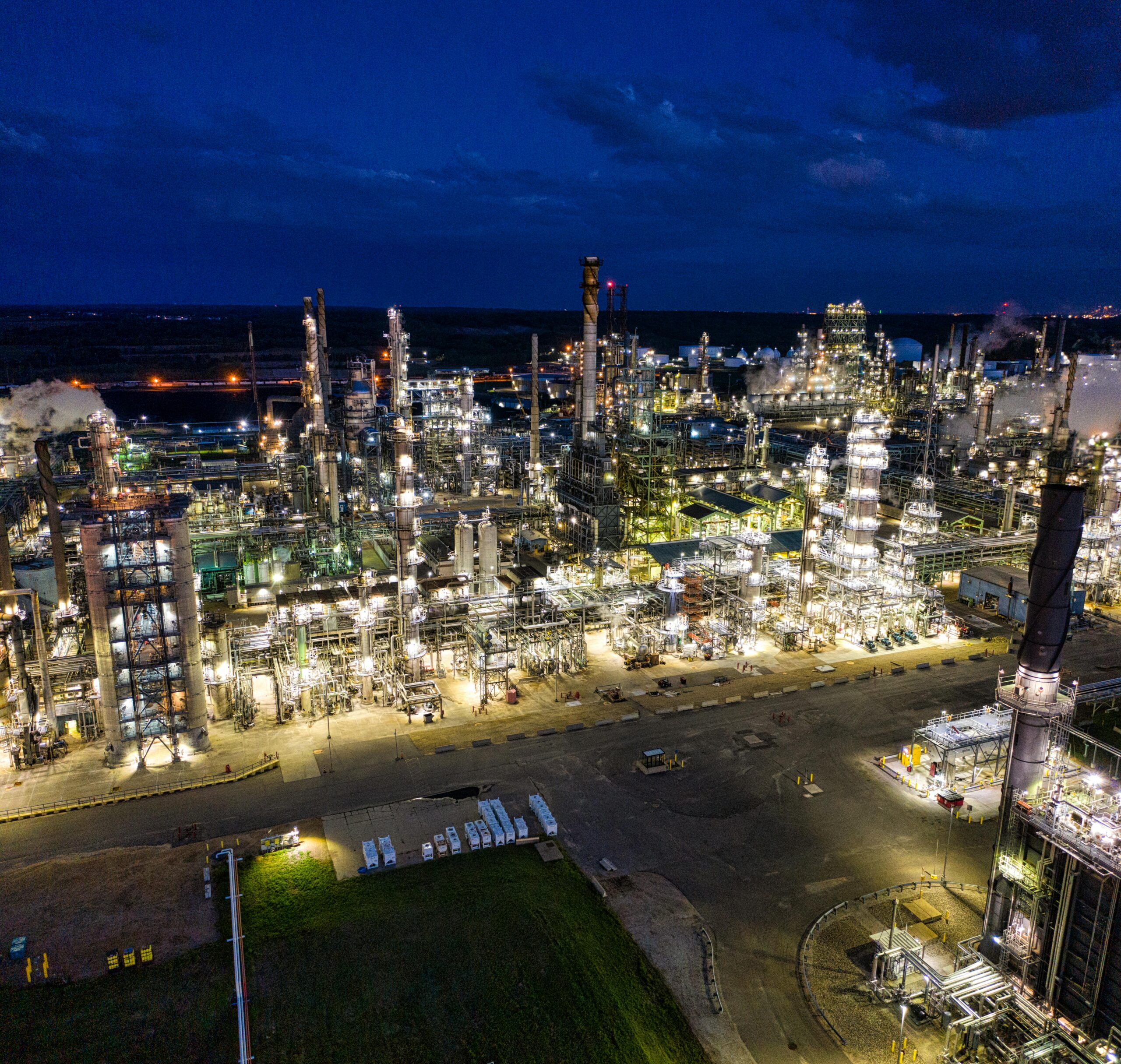
Contemporary power plants represent the culmination of centuries of mechanical and thermodynamic innovation. Whether burning fossil fuels, harnessing nuclear reactions, or capturing renewable energy sources, these facilities generate electricity on scales that would astound engineers from earlier eras.
A modern coal-fired power plant converts chemical energy into electrical energy through multiple transformation stages. Coal combustion produces heat, which generates steam, which drives turbines, which rotate generators, which produce electricity. Each stage involves sophisticated machinery optimized for efficiency and reliability.
Nuclear power plants employ similar steam-turbine systems but generate heat through controlled nuclear fission rather than combustion. The precision required to safely manage nuclear reactions and convert that energy into useful electricity represents some of the most advanced engineering ever undertaken.
Turbines: The Heart of Power Generation
Modern turbines, whether driven by steam, water, gas, or wind, embody sophisticated understandings of fluid dynamics, materials science, and mechanical engineering. Gas turbines in combined-cycle power plants can achieve thermal efficiencies approaching 60%, extracting usable energy from fuel with remarkable effectiveness.
Hydroelectric turbines convert the kinetic and potential energy of falling water into rotation with efficiencies exceeding 90%, making hydropower one of the most efficient forms of electricity generation. These machines can range from small-scale installations generating kilowatts to massive units producing hundreds of megawatts.
Wind turbines have evolved dramatically in recent decades, with modern offshore installations featuring rotor diameters exceeding 200 meters and generating capacities reaching 15 megawatts per unit. The machinery controlling blade pitch, yaw orientation, and power conversion involves sophisticated sensors, actuators, and computer systems that would be unrecognizable to early windmill operators.
🤖 Digital Control Systems: When Machinery Meets Intelligence
The integration of digital control systems represents the latest phase in machinery evolution. Programmable logic controllers, sensors, and computer-aided systems enable machines to operate with precision and adaptability impossible with purely mechanical systems.
Modern industrial machinery incorporates feedback loops that continuously monitor performance and adjust operations in real-time. Temperature sensors, pressure gauges, vibration monitors, and numerous other inputs feed data to control systems that optimize efficiency, prevent failures, and ensure safety.
This marriage of mechanical hardware and digital intelligence creates “smart” machinery that can diagnose its own problems, predict maintenance needs, and adjust to changing conditions automatically. The same principles that governed ancient simple machines now operate within systems that can process millions of calculations per second.
Industry 4.0: The Connected Factory
Contemporary manufacturing increasingly involves networked machines that communicate with each other and central control systems. This “Internet of Things” approach to industrial machinery enables optimization across entire production chains rather than just individual machines.
Sensors embedded throughout machinery collect operational data that can be analyzed to identify inefficiencies, predict failures before they occur, and continuously improve processes. This data-driven approach to machinery management represents a fundamental shift in how we design, operate, and maintain mechanical systems.
🌱 Sustainability Challenges: Rethinking Machinery for Environmental Responsibility
Modern machinery faces unprecedented demands for environmental sustainability. The carbon emissions from fossil-fuel-powered equipment, resource consumption in manufacturing, and waste generation throughout machinery lifecycles have created urgent challenges that engineers must address.
Renewable energy machinery—solar panels, wind turbines, geothermal plants, and tidal generators—represents attempts to maintain our technological civilization while reducing environmental impacts. These systems employ sophisticated machinery to capture diffuse, intermittent energy sources and convert them into reliable electrical power.
Energy storage systems, particularly large-scale batteries and pumped hydroelectric storage, utilize advanced materials and mechanical systems to address the intermittency challenges of renewable energy. As these technologies mature, they’re becoming increasingly cost-competitive with conventional power generation.
Electric vehicles employ machinery that fundamentally differs from internal combustion engines, with electric motors, regenerative braking systems, and battery management systems replacing pistons, transmissions, and fuel injection. This transition represents one of the most significant machinery transformations currently underway.
🚀 Future Horizons: Where Machinery Evolution Leads Next
Looking forward, several emerging technologies promise to continue machinery evolution in remarkable directions. Nanotechnology may enable molecular-scale machines that manipulate matter at atomic levels. Quantum computing could revolutionize how machinery processes information and solves optimization problems.
Artificial intelligence and machine learning algorithms are already transforming how machinery operates, enabling systems to improve their own performance through experience. Autonomous vehicles, robotic manufacturing systems, and adaptive infrastructure all depend on machinery that can perceive its environment and make intelligent decisions.
Biomimetic engineering draws inspiration from natural systems, creating machinery that emulates biological solutions to mechanical challenges. From gecko-inspired adhesives to shark skin-inspired surfaces that reduce drag, nature continues to inspire innovation in mechanical design.
Fusion power, if successfully developed, would represent perhaps the ultimate evolution in power generation machinery. By replicating the energy-producing processes of stars, fusion reactors could provide virtually unlimited clean energy, fundamentally transforming humanity’s relationship with power generation.
🌍 The Unchanging Principles Behind Ever-Changing Machines
Despite the dramatic differences between ancient and modern machinery, fundamental principles remain constant. Energy cannot be created or destroyed, only transformed—a truth recognized intuitively by ancient engineers and formalized by modern thermodynamics. Mechanical advantage still depends on simple machines and their combinations, whether in ancient pyramids or contemporary robotics.
The evolution of machinery reflects our growing understanding of nature’s laws and our increasing ability to harness materials and energy sources. Each generation builds upon previous achievements, occasionally making revolutionary leaps but more often advancing incrementally through countless small improvements.
From the anonymous engineers who designed the mechanical systems for pyramid construction to the teams developing next-generation power plants, human creativity and problem-solving drive machinery evolution. The tools change, the scale transforms, but the fundamental impulse—to extend human capabilities through mechanical systems—remains constant across millennia.
Modern machinery embodies accumulated knowledge from centuries of experimentation, failure, success, and refinement. The steam engines that powered the Industrial Revolution incorporated lessons from ancient water wheels. Today’s turbines reflect understanding developed through generations of mechanical innovation. Future machines will similarly build upon our current achievements, extending the evolutionary chain that stretches back to humanity’s first tools.
Understanding this continuity helps us appreciate both how far we’ve come and the foundational principles that guide all mechanical innovation. Whether examining pyramids or power plants, we see the same human drive to solve problems, overcome limitations, and transform the world through ingenious machinery. 💡