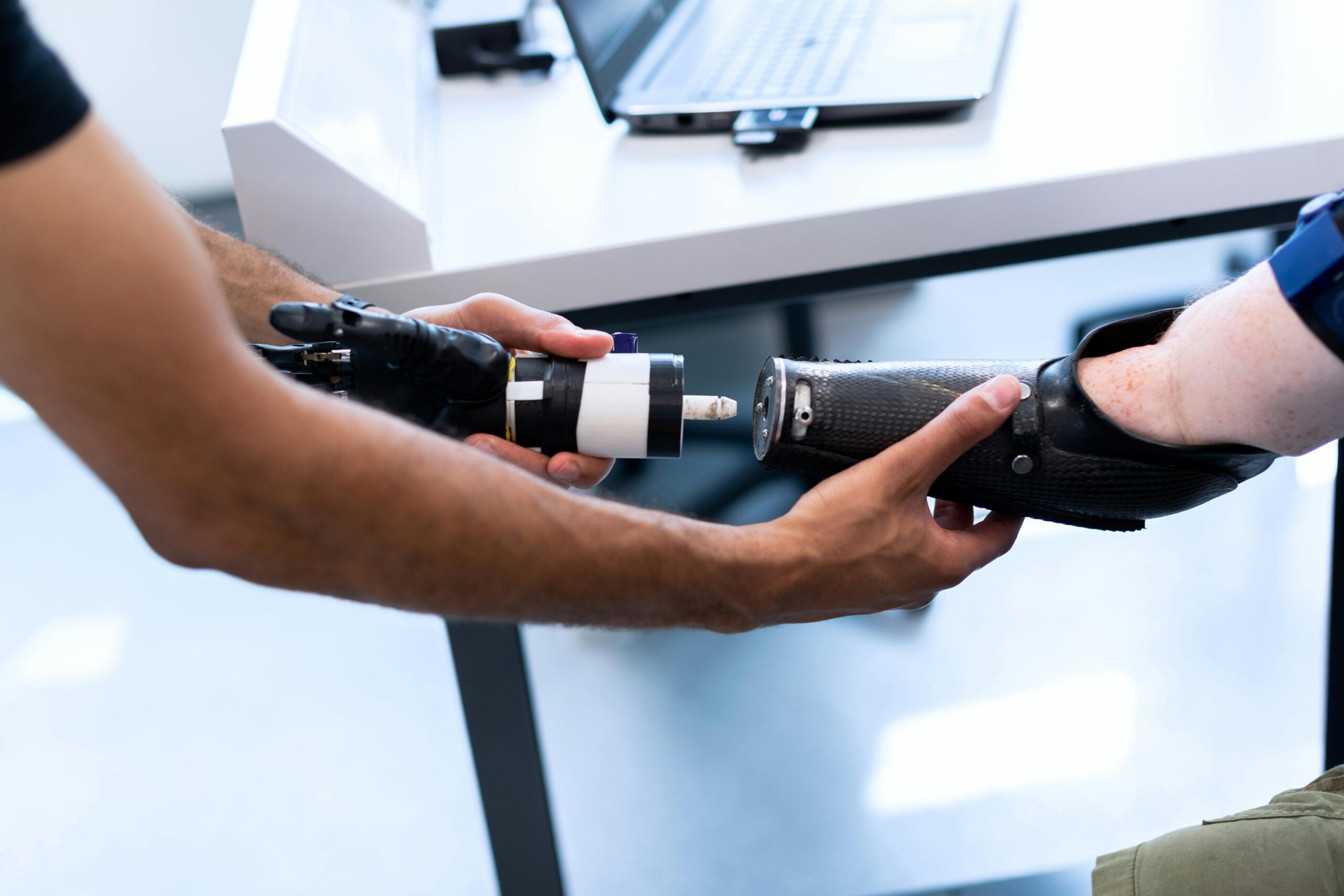
Experimental archaeology brings ancient technologies back to life, allowing modern researchers to recreate tools and techniques used by our ancestors thousands of years ago.

🔍 What Is Experimental Archaeology and Why Does It Matter?
Experimental archaeology represents one of the most hands-on approaches to understanding human history. Unlike traditional archaeological methods that focus solely on excavating and analyzing artifacts, this scientific discipline involves actually recreating ancient objects, structures, and processes to test hypotheses about how our ancestors lived, worked, and innovated.
The methodology bridges the gap between theoretical knowledge and practical understanding. When archaeologists discover a stone hand-axe from 300,000 years ago, they can study its form and wear patterns, but only through replication can they truly understand the skill, time, and technique required to produce such an implement.
This approach has revolutionized our understanding of prehistoric technology. By recreating ancient tools using period-appropriate materials and presumed techniques, researchers gain invaluable insights into cognitive capabilities, social structures, and technological evolution of past civilizations.
⚒️ The Art and Science of Stone Tool Replication
Stone tool making, or knapping, represents humanity’s longest-lasting technology, spanning millions of years. Modern experimental archaeologists dedicate years to mastering this ancient craft, developing the same calluses and muscle memory that our ancestors possessed.
The process begins with selecting appropriate raw materials. Flint, obsidian, chert, and quartzite were favored by prehistoric peoples for their predictable fracture patterns. Each material requires different approaches, force applications, and striking angles to produce effective tools.
Successful replication requires understanding conchoidal fracture mechanics. When struck at the correct angle with appropriate force, these stones break in predictable ways, creating sharp edges sharper than modern surgical steel. Experimental archaeologists have documented that producing a basic Oldowan chopper might take minutes, while an elegant Solutrean laurel leaf point could require hours of skilled work.
Learning Curves and Skill Development
Research involving novice knappers has revealed fascinating insights into prehistoric learning. Studies show that beginners require approximately 5-10 hours of practice to produce recognizable Oldowan-style tools, suggesting that early hominins possessed significant cognitive abilities and teaching traditions.
More complex technologies like Levallois technique or pressure flaking for Clovis points demand extensive training. Expert knappers estimate 100-200 hours of practice minimum to achieve basic competency, with true mastery requiring years. This has profound implications for understanding social structures, apprenticeship systems, and knowledge transmission in ancient societies.
🏺 Beyond Stone: Replicating Diverse Ancient Technologies
While stone tools dominate early human technology, experimental archaeology encompasses much broader technological landscapes. Researchers recreate pottery, metalworking, textile production, architectural techniques, and even ancient cooking methods.
Pottery Production and Firing Experiments
Ceramic replication provides insights into technological choices and constraints faced by ancient potters. Experimental archaeologists construct replica kilns, mix clay according to ancient recipes (including tempers like crushed shell, sand, or organic materials), and fire vessels using traditional fuel sources.
These experiments have solved long-standing archaeological mysteries. For example, inconsistent firing patterns on ancient pottery puzzled researchers until replication experiments demonstrated how variable wind conditions and fuel moisture content dramatically affect firing outcomes. What appeared as technical incompetence was actually normal variation inherent to the technology.
Ancient Metallurgy Reconstructions
Metal production experiments represent some of the most spectacular work in experimental archaeology. Researchers construct bloomery furnaces based on archaeological remains, then attempt to smelt iron ore using charcoal and manual bellows.
These projects reveal the extraordinary knowledge ancient metallurgists possessed. Achieving temperatures around 1200°C, maintaining proper reducing atmospheres, and extracting usable bloom iron required sophisticated understanding of chemistry and thermodynamics, even without modern scientific frameworks.
Bronze casting experiments similarly demonstrate ancient expertise. Lost-wax casting techniques, used globally for millennia, involve creating wax models, investing them in clay molds, burning out the wax, and pouring molten bronze into the cavity. Successful replication requires controlling numerous variables, highlighting the skill of ancient craftspeople.
🌾 Agricultural Technologies and Food Processing
Experimental archaeology extends into subsistence practices, with researchers recreating ancient farming tools, food processing equipment, and cooking methods. These experiments provide quantitative data about labor requirements, nutritional outcomes, and seasonal constraints.
Grinding grain with replica saddle querns reveals the physical demands placed on ancient people. Studies show that processing enough grain for a family’s daily bread could require 2-4 hours of labor. This data informs discussions about gender divisions of labor, the social implications of agriculture, and motivations for technological innovation like rotary querns.
Butchery and Hide Processing
Use-wear studies combined with experimental butchery provide concrete evidence about tool functions. By butchering animals with replica stone tools, then comparing wear patterns under microscopes, archaeologists can confidently identify which prehistoric tools were used for cutting meat, scraping hides, or working wood.
Hide processing experiments demonstrate why certain tool forms emerged. Scrapers with specific edge angles and handle configurations prove most efficient for removing fat and tissue from hides. These functional constraints explain why similar tool forms appear independently across different cultures and continents.
🏛️ Architectural Reconstructions and Building Experiments
Full-scale building reconstructions represent experimental archaeology’s most ambitious projects. Around the world, researchers have built replica Iron Age roundhouses, Roman forts, Viking longhouses, and Neolithic monuments using authentic materials and presumed construction techniques.
These projects yield data impossible to obtain otherwise. When researchers built a replica Iron Age roundhouse and lived in it for a year, they discovered that interior smoke levels remained surprisingly manageable without chimneys, and that thatched roofs lasted longer than previously estimated. Theoretical models suggested these structures would be dark and smoky, but experimental living proved ancient designs remarkably effective.
Monument Construction Mysteries
Megalithic monument construction has inspired numerous experimental archaeology projects. How did Neolithic peoples move multi-ton stones without wheels or draft animals? Experiments testing various hypotheses—sledges, rollers, greased tracks—provide tangible data about feasibility and labor requirements.
The most famous experiments involved moving Easter Island moai statues. Teams successfully demonstrated that statues could be “walked” upright using ropes and coordinated rocking motions, supporting oral traditions recorded by early European visitors. This experimental work transformed academic debates by proving the technique’s viability.
📊 Quantifying Ancient Labor and Efficiency
One of experimental archaeology’s greatest contributions involves quantifying prehistoric activities. By timing replicated processes and measuring resources consumed, researchers generate data that transforms speculation into evidence-based interpretation.
Consider hide processing. Before experimental work, archaeologists could only guess at labor investment. Now we know that processing a single deer hide through scraping, brain-tanning, and softening requires approximately 8-12 hours of labor. This data contextualizes archaeological finds of hundreds of scrapers at some sites, suggesting specialized production or intensive hunting periods.
Similarly, experiments quantify tool production costs. Creating a bifacial hand-axe requires specific raw material quantities, time investments, and skill levels. When combined with archaeological distribution patterns, this data reveals economic behaviors, trade networks, and social organization.
🧬 Cognitive Archaeology and Technical Intelligence
Experimental archaeology provides unique windows into ancient cognition. Tool replication reveals cognitive demands associated with different technologies, informing debates about human evolution and intelligence development.
Simple Oldowan tools require understanding percussion principles and selecting appropriate hammerstones and cores. More complex technologies demand hierarchical planning, working memory, and mental templates. By mapping cognitive requirements onto the archaeological timeline, researchers trace the evolution of human intelligence through material culture.
Teaching experiments add another dimension. When experienced knappers teach novices, researchers can study how technical knowledge transmits across generations. These studies reveal that successful stone tool learning requires active teaching, demonstration, and correction—not mere observation. This suggests that language and pedagogical traditions emerged alongside increasingly complex technologies.
🌍 Cultural Context and Traditional Knowledge
Modern experimental archaeology increasingly recognizes the value of traditional knowledge preserved in living cultures. Indigenous peoples worldwide maintain ancient technologies in daily practice, offering invaluable insights that purely archaeological approaches cannot provide.
Collaboration with traditional knappers in Australia, New Guinea, and Ethiopia has revolutionized understanding of stone tool technology. These practitioners demonstrate techniques, explain decision-making processes, and reveal cultural contexts surrounding tool production and use. Their knowledge challenges assumptions built solely on archaeological evidence.
However, such collaboration requires respectful engagement, proper attribution, and recognition that this represents living cultural heritage, not merely historical curiosity. Ethical experimental archaeology acknowledges traditional knowledge holders as partners and experts, not simply informants.
🔬 Scientific Rigor and Experimental Design
Quality experimental archaeology requires careful scientific methodology. Researchers must document variables, control conditions where possible, conduct multiple trials, and publish results regardless of whether they support initial hypotheses.
Replication experiments should test specific questions: Does technique A produce result B more efficiently than technique C? Can proposed method X actually achieve the archaeological outcome Y? This focused approach generates meaningful data rather than vague demonstrations.
Modern projects increasingly incorporate quantitative measurements. High-speed cameras record knapping impacts, force sensors measure striking power, 3D scanning documents produced forms, and use-wear microscopy compares experimental and archaeological specimens. This technological integration strengthens experimental archaeology’s scientific credibility.
🎓 Educational Applications and Public Engagement
Experimental archaeology excels at making the past tangible for public audiences. Living history sites, museum demonstrations, and educational programs use replicated technologies to connect people viscerally with ancient lifeways.
Hands-on knapping workshops allow participants to experience firsthand the difficulty of stone tool production. This experiential learning creates lasting impressions about ancient skill and intelligence that lectures alone cannot achieve. Participants consistently report newfound respect for prehistoric peoples after attempting to replicate even simple tools.
Archaeological parks featuring reconstructed ancient buildings provide immersive educational environments. Sites like Lejre in Denmark or Butser Ancient Farm in Britain combine serious research with public programming, demonstrating that rigorous experimental archaeology and engaging education can coexist productively.
⚡ Challenges and Limitations of the Approach
Despite its value, experimental archaeology faces inherent limitations. We can never fully recreate ancient contexts—the knowledge, physical conditioning, or cultural frameworks that shaped original productions. Modern practitioners bring contemporary assumptions, muscle development, and neural pathways different from ancient peoples.
Raw material differences pose challenges. Ancient peoples had lifelong familiarity with local stone sources, understanding subtle quality variations. Modern researchers typically lack this intimate knowledge, potentially affecting replication accuracy.
Additionally, multiple techniques might produce similar archaeological outcomes. Successful replication proves a method could have worked, not necessarily that it did work historically. Archaeologists must avoid assuming that their experimental approach represents the only or even most likely ancient technique.
🚀 Future Directions and Emerging Technologies
Experimental archaeology continues evolving, incorporating new technologies while maintaining hands-on methodology. Digital documentation, biomechanical analysis, materials science, and computer modeling now complement traditional replication work.
Motion capture technology records body movements during tool use, revealing ergonomic factors influencing ancient designs. These data feed into computer simulations that model force distribution and efficiency parameters, combining experimental and virtual approaches.
Microscopic analysis techniques grow increasingly sophisticated. High-powered scanning electron microscopes reveal use-wear traces at nanometer scales, while residue analysis identifies specific materials processed with ancient tools. These technologies validate and refine experimental interpretations.
Genetic and biomolecular archaeology opens new experimental frontiers. Researchers now attempt ancient fermentation processes using recovered yeast strains, or replicate ancient textiles using DNA-identified fiber sources. These cutting-edge approaches expand experimental archaeology beyond traditional boundaries.
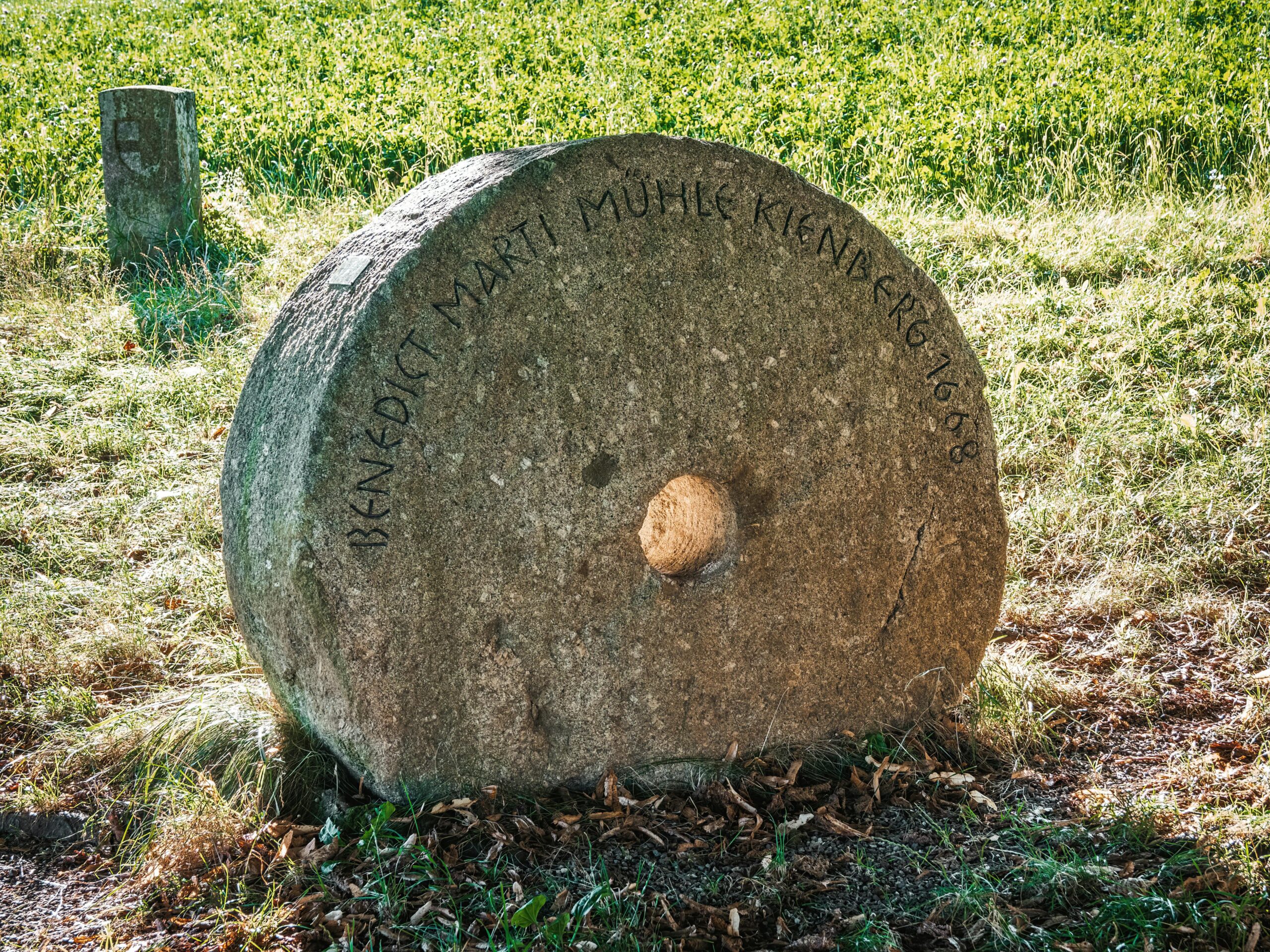
🌟 The Lasting Impact on Archaeological Understanding
Experimental archaeology has fundamentally transformed how we understand human prehistory. By moving beyond armchair speculation to hands-on testing, researchers have corrected countless misconceptions and revealed unsuspected complexities in ancient technologies.
This approach reminds us that prehistoric peoples were fully modern humans intellectually, possessing sophisticated knowledge systems expressed through material culture. The skills required for flint knapping, pottery production, or hide tanning demanded intelligence, creativity, and accumulated wisdom—qualities easily underestimated when examining finished artifacts in museum cases.
As experimental archaeology continues developing, integrating diverse knowledge systems and technologies, it promises ever-deeper insights into humanity’s remarkable technological journey. From the first simple stone tools millions of years ago to the complex craft traditions of recent millennia, experimental replication helps unlock the secrets embedded in ancient materials, connecting us tangibly with our shared human heritage.
The field stands as testament to archaeology’s evolving nature—a discipline willing to get its hands dirty, literally, in pursuit of understanding. Through careful replication, rigorous testing, and humble recognition of what we can and cannot know, experimental archaeologists continue illuminating the ingenuity, adaptation, and creativity that characterize the human story across time.