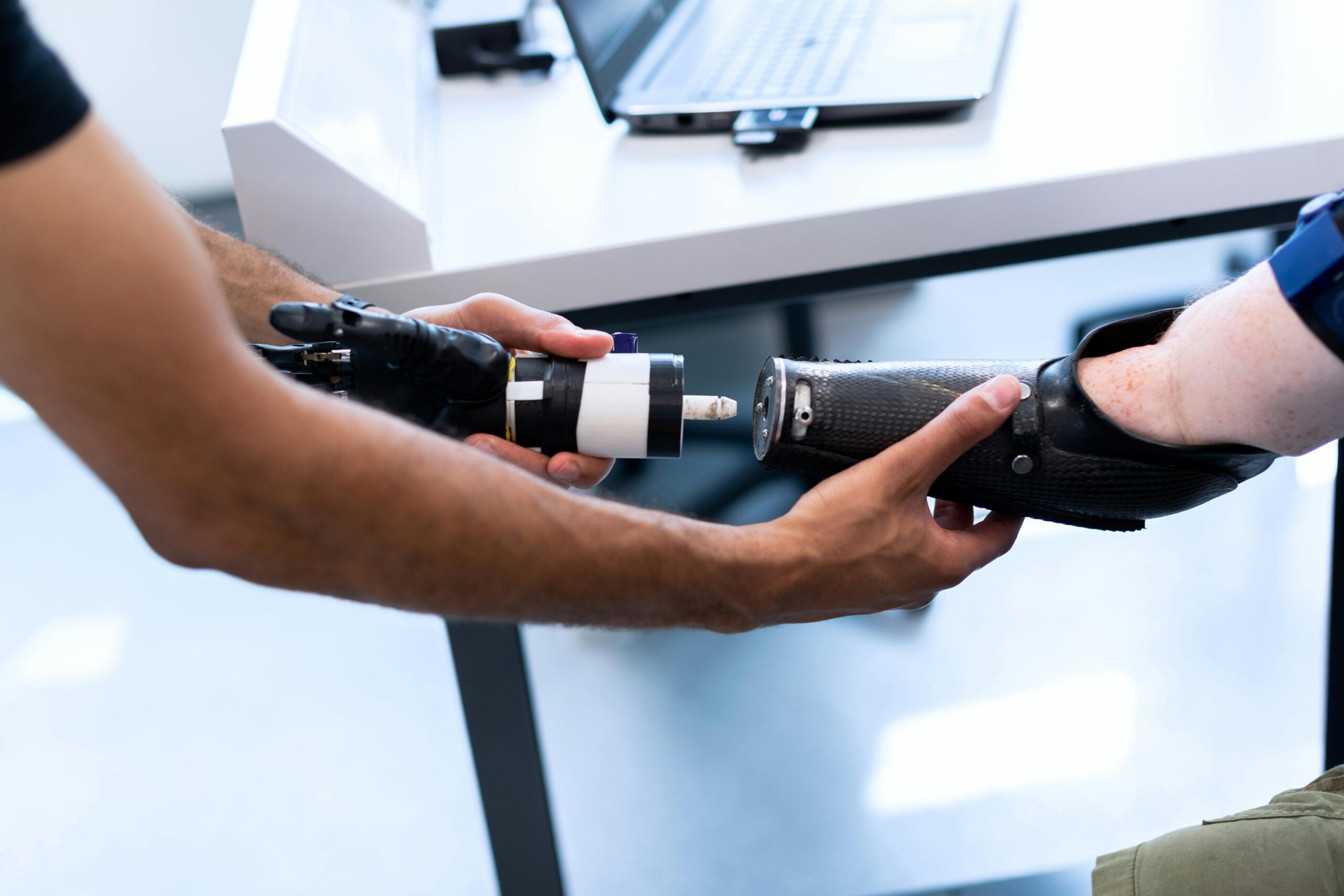
Ancient machinery represents humanity’s earliest engineering triumphs, combining ingenuity with craftsmanship to create mechanisms that continue to fascinate modern engineers and historians alike.

🔧 The Enduring Legacy of Ancient Engineering Marvels
Throughout history, civilizations have developed sophisticated machinery that defied the technological limitations of their time. From the Antikythera mechanism discovered in a Greek shipwreck to the complex water-powered systems of ancient China, these mechanical wonders demonstrate an understanding of physics, mathematics, and material science that rivals contemporary achievements. The preservation and restoration of these artifacts require specialized knowledge that bridges historical research with modern maintenance techniques.
Understanding ancient machinery isn’t merely an academic pursuit—it’s a practical discipline that informs contemporary engineering practices. Many principles employed by ancient engineers continue to influence modern design philosophy, particularly in sustainable technology and mechanical efficiency. The maintenance and repair techniques developed for these timeless innovations offer valuable lessons for today’s technicians and engineers seeking to create durable, long-lasting systems.
Decoding the Mechanics of Antiquity
Ancient machinery operated on fundamental mechanical principles that remain valid today. Lever systems, gear mechanisms, hydraulic principles, and pneumatic operations formed the backbone of ancient engineering. The Archimedes screw, for instance, continues to be used in modern applications because its design is inherently efficient and remarkably simple to maintain.
The key to mastering maintenance of ancient machinery lies in understanding the original design intent. Ancient engineers worked within material constraints that forced innovative solutions. Bronze gears, wooden components, and stone structural elements each presented unique challenges and opportunities. Modern restoration experts must comprehend not only what was built, but why specific materials and configurations were chosen.
Material Science in Historical Context
Ancient civilizations possessed sophisticated metallurgical knowledge. Bronze alloys were carefully formulated to provide optimal strength, wear resistance, and workability for different mechanical applications. Understanding these material properties is essential for effective maintenance and historically accurate repairs.
Wood selection in ancient machinery wasn’t random—specific species were chosen for their mechanical properties. Oak provided strength and durability, while more flexible woods absorbed vibrations and shock loads. Recognizing these intentional choices helps modern conservators make appropriate repair decisions that honor the original engineering vision.
⚙️ Diagnostic Techniques for Historical Mechanisms
Diagnosing problems in ancient machinery requires a different approach than modern equipment troubleshooting. Without manufacturer specifications or service manuals, technicians must rely on careful observation, historical research, and mechanical intuition to identify issues and develop repair strategies.
Visual inspection remains the primary diagnostic tool. Experienced conservators look for wear patterns that reveal how the mechanism operated and where stresses concentrated. Unusual wear often indicates alignment problems or design modifications made during the artifact’s operational life. These clues provide insight into both the original function and subsequent usage patterns.
Non-Invasive Analysis Methods
Modern technology offers powerful diagnostic capabilities without risking damage to precious artifacts. X-ray radiography reveals internal structures and hidden damage, while computed tomography (CT) scanning creates detailed three-dimensional models that help engineers understand complex assemblies without disassembly.
Ultrasonic testing detects internal cracks and voids in metal components, while thermography identifies stress concentrations and material inconsistencies. These non-destructive testing methods provide critical information for developing appropriate maintenance strategies while preserving artifact integrity.
Restoration Philosophy and Ethical Considerations
Maintaining and repairing ancient machinery involves navigating complex ethical territory. The conservation community debates whether restoration should prioritize historical authenticity or functional capability. Some argue that machinery should be restored to operational condition to demonstrate original functionality, while others contend that stabilizing existing conditions without extensive reconstruction better preserves historical integrity.
The concept of reversibility guides many restoration decisions. Interventions should ideally be reversible, allowing future conservators with improved techniques or better information to undo previous work without causing damage. This principle influences material selection, attachment methods, and documentation practices throughout the restoration process.
Documentation as Foundation
Comprehensive documentation forms the cornerstone of responsible restoration. Before any intervention, conservators create detailed records including photographs, measurements, material analysis results, and condition assessments. This documentation serves multiple purposes: guiding restoration decisions, creating historical records, and enabling scholarly research.
Digital documentation has revolutionized conservation practice. High-resolution photography, 3D scanning, and photogrammetry create virtual records that preserve the artifact’s condition at specific moments in time. These digital twins enable researchers worldwide to study mechanisms without physically accessing fragile originals.
🛠️ Practical Maintenance Techniques for Ancient Mechanisms
Maintaining ancient machinery requires specialized techniques adapted to historical materials and construction methods. Traditional lubrication practices used animal fats, plant oils, and mineral-based substances that differ significantly from modern synthetic lubricants. Understanding historical lubricant chemistry helps conservators make appropriate choices for ongoing maintenance.
Bearing surfaces in ancient machinery often utilized bronze bushings running against iron or steel shafts. These bearing combinations develop beneficial wear patterns over time, creating matched surfaces that shouldn’t be unnecessarily disrupted. Maintenance focuses on preserving these established relationships while preventing accelerated degradation.
Corrosion Management Strategies
Corrosion represents the primary threat to metal components in ancient machinery. Environmental control provides the first line of defense—maintaining stable temperature and humidity prevents active corrosion processes. When environmental control isn’t possible, protective coatings and sacrificial anodes offer alternative protection strategies.
Removing corrosion products requires careful judgment. Stable corrosion layers sometimes protect underlying metal from further degradation. Aggressive cleaning can remove these protective patinas and accelerate deterioration. Conservation professionals distinguish between harmful active corrosion and beneficial passive surface layers, treating each appropriately.
Reverse Engineering Ancient Innovations
When original components are too damaged for repair, reverse engineering becomes necessary. This process involves analyzing surviving elements to understand original design specifications, then recreating missing or damaged parts with historically appropriate materials and manufacturing techniques.
Reverse engineering ancient machinery provides insights into historical manufacturing capabilities. Tool marks on bronze components reveal casting techniques and surface finishing methods. Understanding these processes helps modern craftspeople replicate components with historically accurate appearance and mechanical properties.
Traditional Manufacturing Methods
Recreating ancient machine components often requires mastering traditional manufacturing techniques. Sand casting bronze using methods documented in historical texts produces components with material properties matching original parts. Hand-filing and scraping create surface finishes appropriate to the technological period.
Blacksmithing techniques remain essential for fabricating iron and steel components. Modern welding and machining, while efficient, create anachronistic appearances and may introduce materials incompatible with historical assemblies. Traditional forging and joining methods ensure visual and functional compatibility with existing components.
💡 Lessons from Ancient Machinery for Modern Innovation
Ancient machinery offers profound lessons for contemporary engineering. Sustainability wasn’t a buzzword but a necessity—mechanisms were designed for longevity, repairability, and material efficiency. Components were sized appropriately for their functions without unnecessary material waste, and designs accommodated maintenance and repair without specialized tools.
The principle of appropriate technology emerges clearly from studying ancient machinery. Engineers selected solutions scaled appropriately to available resources and operational requirements. This approach contrasts with modern tendencies toward over-engineering and unnecessary complexity.
Durability Through Simplicity
Ancient mechanisms achieved remarkable longevity through elegant simplicity. Fewer components mean fewer potential failure points, while straightforward designs enable maintenance by non-specialists. This design philosophy informed the creation of machines that operated reliably for centuries with minimal intervention.
Modern engineers rediscovering these principles develop more sustainable technologies. Designing for disassembly, using repairable rather than disposable components, and prioritizing mechanical simplicity create products with extended service lives and reduced environmental impact.
Case Studies in Ancient Machine Restoration
The Antikythera mechanism restoration project exemplifies modern approaches to ancient machine conservation. Discovered in 1901, this astronomical calculator from ancient Greece contained dozens of bronze gears assembled with extraordinary precision. Decades of research using cutting-edge imaging technology gradually revealed its complexity and function.
Conservators faced challenges balancing preservation with investigation. CT scanning revealed internal gear arrangements without disassembly, while carefully controlled cleaning exposed surface inscriptions providing operational instructions. The restoration process itself advanced understanding of ancient Greek astronomical knowledge and mechanical engineering capabilities.
Roman Water-Lifting Machinery
Roman engineers developed sophisticated water-lifting mechanisms including the noria (water wheel) and chain pumps. Archaeological discoveries of these machines in mining contexts demonstrate engineering solutions to specific industrial challenges. Restoration projects recreate operational replicas, testing hypotheses about efficiency and operational characteristics.
These reconstructions provide insights unavailable through static examination. Engineers discover that ancient designs incorporated subtle features addressing practical operational concerns—wear reduction, efficiency optimization, and ease of maintenance—that aren’t obvious from archaeological remains alone.
🔍 Advanced Preservation Technologies
Contemporary conservation science offers powerful tools for preserving ancient machinery. Controlled atmosphere storage slows degradation by limiting oxygen and moisture exposure. Anoxic environments prevent corrosion and biological deterioration, extending artifact lifespan indefinitely when properly maintained.
Chemical stabilization treatments address specific deterioration mechanisms. Corrosion inhibitors form protective molecular layers on metal surfaces, while consolidants strengthen weakened materials without altering appearance. These interventions require careful material compatibility testing to ensure long-term effectiveness without adverse side effects.
Climate Control and Environmental Monitoring
Sophisticated environmental monitoring systems track temperature, humidity, light exposure, and pollutant levels in museum and storage environments. Data logging enables conservators to identify problematic conditions before visible damage occurs, implementing corrective measures proactively rather than reactively.
Passive climate control using hygroscopic materials provides stable microclimates without mechanical systems. Silica gel and specialized fabrics buffer humidity fluctuations, while careful facility design minimizes temperature variations. These low-tech solutions often prove more reliable and sustainable than complex mechanical systems.
Training the Next Generation of Conservation Specialists
Preserving expertise in ancient machinery maintenance requires dedicated training programs. Specialized conservation institutes offer curricula combining traditional craftsmanship with modern scientific analysis. Students learn metalworking, woodworking, and mechanical assembly alongside chemistry, materials science, and documentation techniques.
Apprenticeship models connect emerging conservators with experienced practitioners. Hands-on experience working with actual artifacts under expert supervision develops intuitive understanding that supplements academic knowledge. This mentorship approach ensures critical tacit knowledge transfers between generations.
🌟 The Future of Ancient Machinery Conservation
Emerging technologies promise to revolutionize ancient machinery conservation. Artificial intelligence algorithms analyze vast databases of historical artifacts, identifying patterns and relationships invisible to human observers. Machine learning assists with fragmentary reconstruction, suggesting how incomplete mechanisms might have functioned.
Additive manufacturing enables precise reproduction of damaged or missing components. 3D printing with specialized metal alloys creates replacement parts matching original material properties while maintaining historically accurate appearances. This technology democratizes conservation, enabling smaller institutions to undertake restorations previously requiring extensive specialized facilities.
Virtual reality applications allow people worldwide to experience ancient machinery interactively without risking fragile originals. Digital reconstructions demonstrate operational principles and mechanical relationships with unprecedented clarity, advancing both scholarly understanding and public appreciation of ancient engineering achievements.
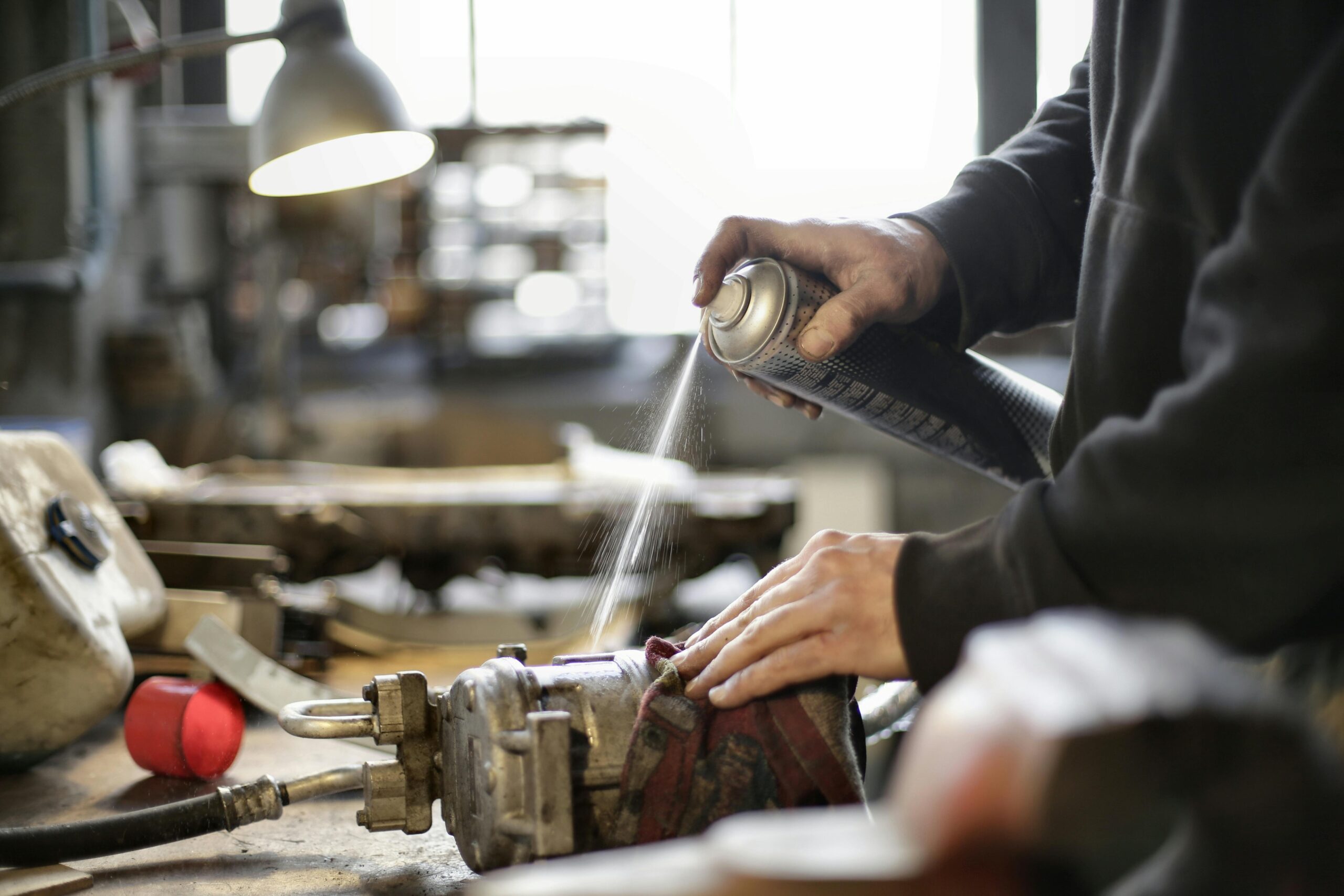
Bridging Past and Present Through Mechanical Wisdom
Ancient machinery embodies timeless engineering principles that transcend technological eras. The ingenuity, craftsmanship, and problem-solving creativity evident in these mechanisms inspire contemporary engineers seeking sustainable, elegant solutions to modern challenges. By mastering maintenance and repair techniques for these historical innovations, we preserve not just physical artifacts but the intellectual heritage they represent.
The study and conservation of ancient machinery ultimately connects us with our technological ancestors, revealing shared human drives to understand natural principles and harness them for practical purposes. Each carefully restored gear, precisely aligned bearing, and meticulously documented mechanism strengthens this connection, ensuring that ancient wisdom continues informing future innovations for generations to come.